How To Choose A Food First Weekend In A Walkable European City
A practical step-by-step guide to how to choose a food-first weekend in a walkable European city, including preparation, instructions, common issues, tips, and next steps.
How To Choose A Food First Weekend In A Walkable European City
This guide explains how to plan a food-first weekend in a walkable European city, focusing on choosing a destination, researching local markets and eateries, mapping walking routes, and pacing meals to savor the culinary culture without rushing. It includes preparation steps, a day-by-day approach, common pitfalls, and advanced tips for a memorable gastronomic urban escape.
Fast Answer
- Choose a compact city with a strong street-food culture, then book accommodations near a central market or main square to minimize transit time.
- Research local breakfast, lunch, and dinner spots beforehand, and plan a flexible walking route that connects markets, bakeries, and casual restaurants.
Before You Start
- Pick a city known for walkable neighborhoods and a vibrant food scene, such as a regional capital with a historic center where attractions and eateries are clustered.
- Use map apps to create a custom walking route that links your lodging, top food destinations, and scenic streets, aiming for easy detours without backtracking.
- Check local business hours online or via tourist office sites, noting that many shops close for afternoon breaks or are closed on Sundays.
- Pack comfortable walking shoes, a reusable water bottle, and a small backpack for purchasing local specialties to enjoy later.
Step-by-Step Instructions
Select Your Walkable Food Capital
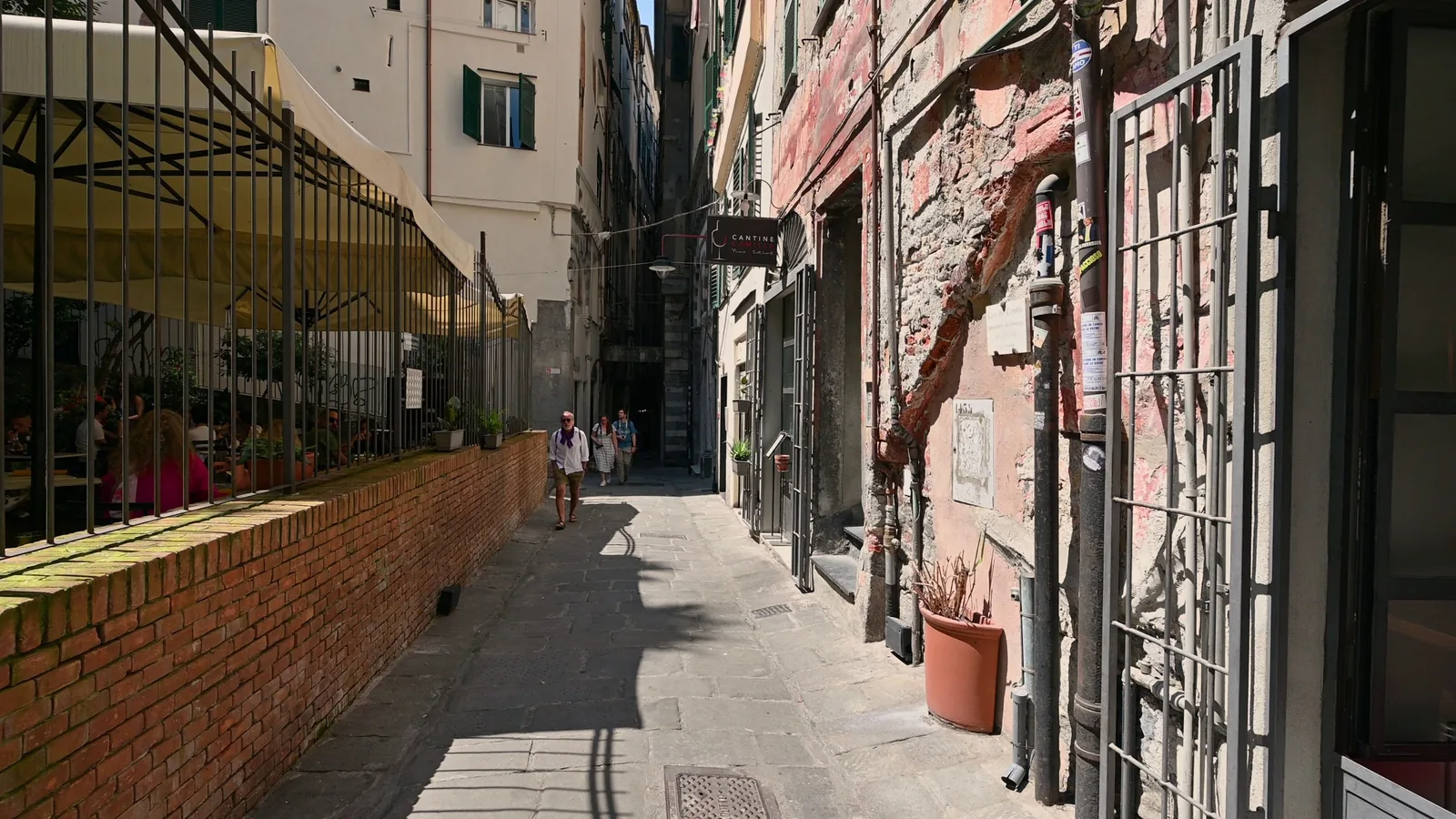
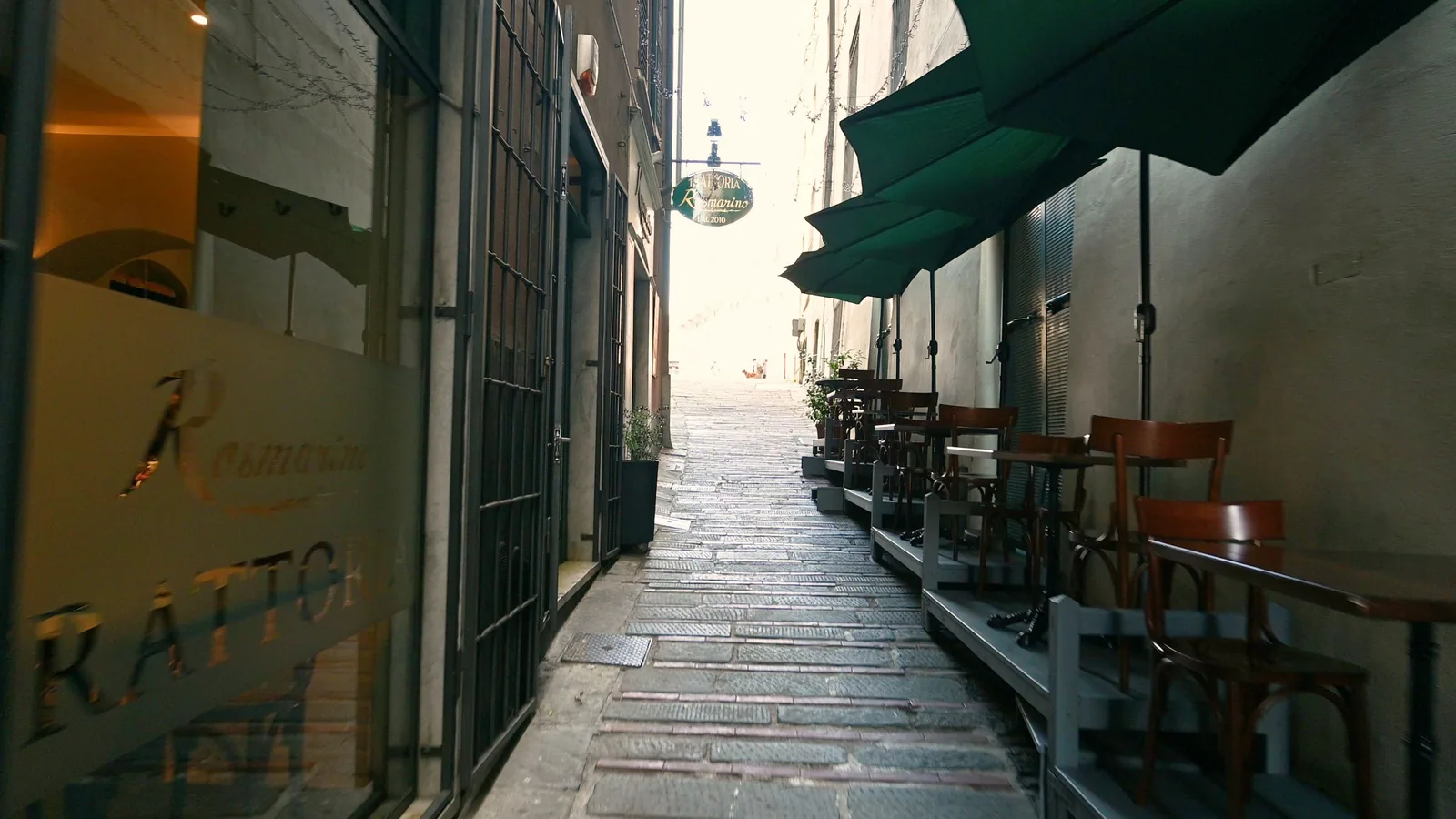
Start by choosing a European city with a compact historic center and a reputation for casual dining, where you can easily walk from a morning bakery to a lunchtime market and an evening tavern in under an hour. Look for cities that prioritize pedestrian zones, as these often have a higher concentration of food stalls and sidewalk cafés. Make a shortlist of three cities, then compare their walkability by using online maps to measure the distance between the train station and the main market hall. Choose the city where the market, a few famous snack spots, and your potential accommodation all lie within a square mile, so you can spend more time eating and less time commuting. This step is crucial because a compact footprint ensures that your food crawl remains an enjoyable stroll, not a marathon trek, and it sets the stage for a relaxed weekend paced entirely around meals.
Research and List the Must-Try Foods
Once you have chosen a city, make a list of its signature dishes and the best places to try them, using local food blogs, official tourism sites, and online review platforms. Focus on items that are best enjoyed fresh, such as regional pastries, artisan cheeses, or street-cooked specialties. For each dish, note a specific bakery, food stall, or family-run restaurant that is known for it, and write down the neighborhood and approximate street address. Also research a few back-up options in case your first choice is closed or crowded, and check their typical hours so you can plan your walking route around meal times. This preparation is key because a well-informed food map lets you maximize taste experiences without wasting time, and it allows you to arrange your day so that you are never too full to sample the next local delight.
Book Accommodation in the Heart of the Food Scene
Choose a hotel, guesthouse, or short-term rental that is within a ten-minute walk of your primary market and at least two of the restaurants on your list. Staying in the historic center or a lively food district means you can easily return to your room to rest in the afternoon or drop off any local purchases before dinner. When booking, verify the exact location on a map and read reviews that mention the walkability to food spots, but avoid places that are above a loud bar or on a busy road, as noise can interfere with your sleep. Also confirm whether breakfast is included, since that affects your morning food plan—if it is, you might skip a separate bakery stop or choose a lighter option. This choice matters because a central base gives you the flexibility to improvise, join a short queue at a popular stall, or take a spontaneous detour to a new food discovery without missing your planned itinerary.
Map a Flexible Walking Route for Each Day
Open your map app and trace a walking route that connects your morning meal, your first cultural stop, the main market, a recommended lunch spot, a scenic park or square for a break, and your evening dinner reservation. Aim for a loop that avoids retracing your steps and keeps total walking distance moderate, typically under four miles for the whole day. Build in at least two optional detours, such as a side street known for vintage shops or a hidden courtyard café, so you can adjust spontaneously based on your energy and appetite. Check the elevation changes and note any steep hills that might be tiring after a large meal. Saving this route digitally and sharing it with a travel companion ensures that you can navigate offline and stay on track, but the real reason for planning is to allow yourself to wander without feeling lost, so you can focus on the food and atmosphere rather than fumbling with directions.
Pace Your Meals and Snacks for Optimal Tasting
On each day, plan for an early light breakfast, a mid-morning snack at a market stall, a substantial lunch around one or two o'clock, a small afternoon treat such as fruit or a sweet, and a dinner that starts later, around eight or nine in the evening. Between meals, schedule a leisurely walk, a visit to a church or gallery, or a rest at a café with a glass of water to aid digestion. Resist the urge to eat a large meal at a popular restaurant immediately after a heavy breakfast; instead, allow at least three to four hours between significant eats. This rhythm is critical because it lets you taste a variety of foods throughout the day without feeling overly full or tired, and it aligns with European dining customs where lunch is the main meal and dinner is lighter, allowing you to truly savor each course.
Stay Hydrated and Listen to Your Body's Cues
Even in milder weather, walking several miles while eating can lead to dehydration or fatigue, so drink plenty of water throughout the day. Carry a refillable bottle and top it up at public fountains or your hotel, and also order water with meals rather than only sugary drinks. Pay attention to how your stomach feels after each food experience; if you feel uncomfortably full, take a longer walk or sit in a park before the next snack. If you feel tired, rest for fifteen minutes in a café, but avoid napping for more than twenty minutes, as it can disrupt your evening appetite. This self-awareness is the key to maintaining your energy and interest in food, so you can enjoy everything the city offers without overindulging and feeling unwell. Remember, the goal is not to eat everything, but to enjoy a selection of high-quality specialties at your own pace.
Quick Reference
| Situation | Action | Why it helps |
|---|---|---|
| You arrive on Saturday morning and your market doesn't open until 10 a.m., but you are already hungry. | Find a nearby café or patisserie that opens early, and order a light breakfast like a pastry and coffee while you plan your day. | This gives you a chance to relax after travel and start your food tour on a good note without rushing the first meal. |
| A restaurant on your list is fully booked for dinner and you have no reservation. | Ask the staff when they have a cancellation or a table for a walk-in, and then explore a nearby street for an alternative spot. | Popular places often have limited capacity, and having a backup plan keeps your evening enjoyable without stress. |
| You buy a large amount of local produce at a market, but you have nowhere to store it. | Ask the market vendor to package items for travel, and plan to consume perishables the same day or store them in your hotel mini-fridge. | This prevents food waste and lets you enjoy your purchases at their best, whether as a picnic later or as a gift to take home. |
Common Issues
- You feel overwhelmed by the number of food options and get decision fatigue.: Limit your choices by creating a shortlist of three must-try foods per day and designate one 'wildcard' meal where you can randomly pick a place. This way you stay flexible but focused, and you always have a plan.
- You find that many restaurants are closed in the late afternoon, leaving you hungry before dinner.: Keep a snack in your bag, such as a local bread roll or a piece of fruit, and look for an early-bird menu at a tavern or a café that serves small plates during off-hours.
- After a heavy lunch, you feel too full to enjoy the evening tasting menu you booked.: Choose a lighter lunch, such as a salad or a sandwich, and schedule a walk in the afternoon. If you are still full, cancel your dinner reservation and opt for a couple of small sharing dishes at a casual wine bar later.
Advanced Tips
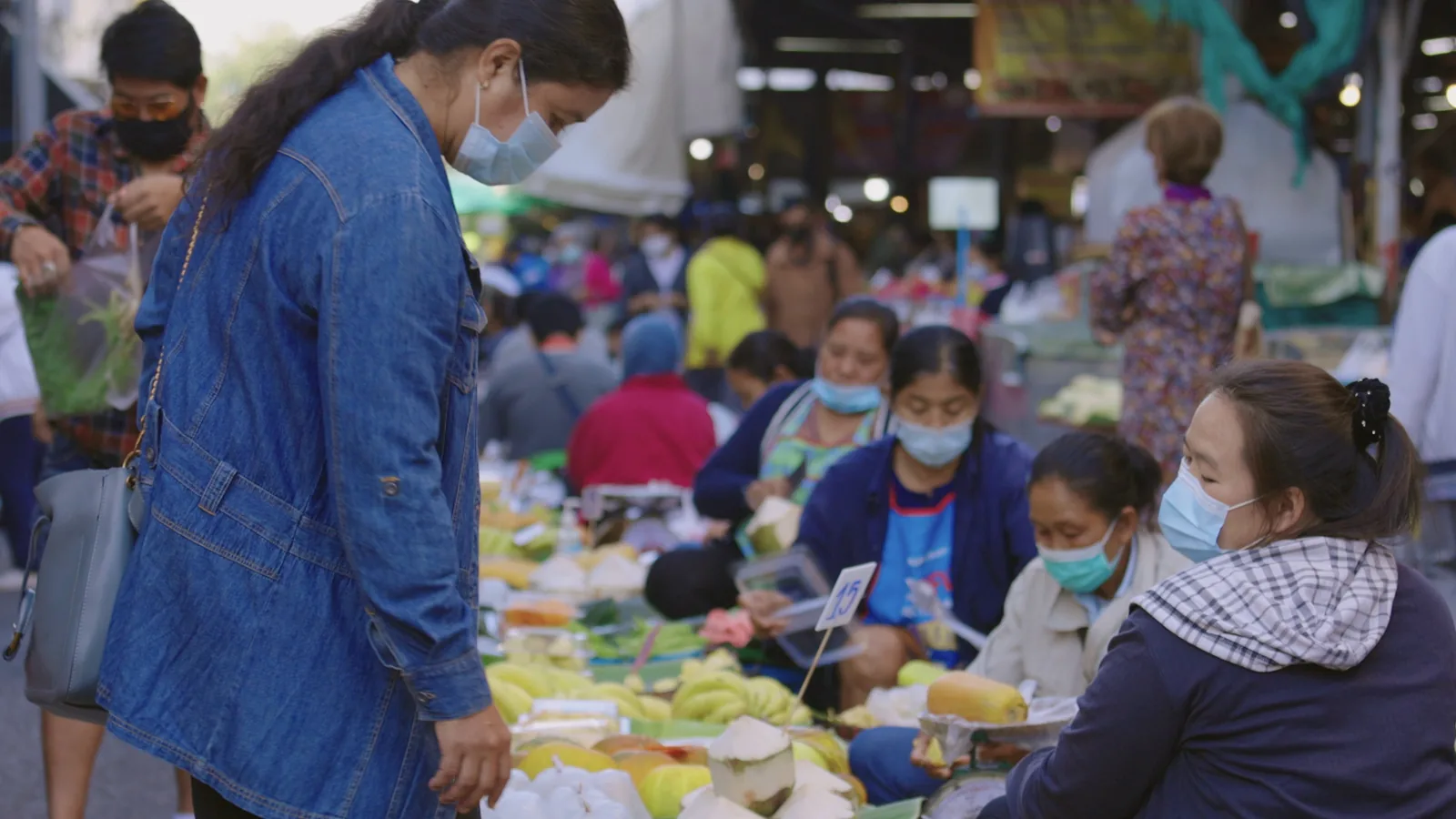
- Ask locals at a market stall for their favorite spot for a particular dish; these personal recommendations often reveal hidden gems not listed in travel guides.
- Book a food-focused walking tour for your first day, led by a local expert, to learn about culinary history and get tips for the rest of your stay.
- Learn five basic food-related phrases in the local language, such as 'What do you recommend?' and 'Not too spicy, please', to enhance your interactions and show respect.
Final Checklist
- Verify that your destination city has a walkable center and a vibrant street-food culture to match your food-first goal.
- Create a personalized map with at least three breakfast, lunch, and dinner options, including for each dish you want to try.
- Book accommodation near your chosen market and main dining areas, and confirm check-in times and any noise concerns.
- Pack comfortable shoes, a refillable water bottle, and a small bag for snacks, and review local business hours for your visit dates.
FAQ
How far can I reasonably walk in a day without getting too tired?
Most people can comfortably walk between 4 to 6 miles (6-10 kilometers) a day when spreading out with stops for meals and breaks. On a food-focused weekend, you might walk less because you're pausing often to eat. Plan a route that avoids backtracking and includes frequent rests at cafés or parks to keep your energy up.
What if I have dietary restrictions or allergies?
Research restaurants in advance that specifically mention accommodating dietary needs, such as gluten-free or vegetarian options. Learn the local words for your allergens and carry a translation card that you can show to servers. At markets, ask vendors about ingredients, and when in doubt, choose fresh fruits, nuts, or simple prepared foods that are less likely to contain hidden allergens.
Is it better to eat at touristy spots or off the beaten path?
A mix of both is ideal. Tourist-friendly places often offer convenient hours and English menus, but they may not always reflect authentic local flavors. Step a few streets away from major attractions to find places frequented by locals, and use online review sites to check recent ratings. Trust your instincts—if the food smells great and the place is busy, it's often a good sign.