What To Check Before A Food First Weekend In A Walkable European City
A practical step-by-step guide to what to check before a food-first weekend in a walkable European city, including preparation, instructions, common issues, tips, and next steps.
What To Check Before A Food First Weekend In A Walkable European City
Before you set off for a food-first weekend in a walkable European city, a little preparation turns a good trip into a great one. You want to focus on eating, not on hunting for cash machines, squinting at phone maps, or watching a restaurant turn you away because you forgot a reservation. This guide helps you check your walking shoes, your phone battery, your appetite habits, and your booking strategy so you can stroll from café to market to trattoria without stress. You will learn what to verify about your lodging location, how to map out food stops along walking routes, and why carrying a small backup power source is a smart move. You will also see how to handle common issues like closed restaurants, long queues, and foot fatigue. By the end, you will have a simple checklist that covers the essentials: reservations, comfortable shoes, offline maps, and a flexible stomach.
Fast Answer
- Confirm your hotel or apartment is within a 20-minute walk of at least three restaurants or food markets you want to try, so you can easily return for a rest or a second visit.
- Save an offline map of the city center on your phone and note the closing times of key food spots, since many European kitchens close between lunch and dinner.
Before You Start
- Check your accommodation's exact address and its walking distance to the city's main food districts, using a map service, and write down the names of two nearby landmarks to help you navigate without a phone.
- Look up the opening days and hours for any market or food hall you plan to visit, as many are closed on Mondays or have limited Sunday hours, and jot down those hours in a note.
- Make reservations for any dinner spots that require them, especially for Friday or Saturday night, by calling or using an online booking form, and confirm by email if you can.
- Break in your walking shoes a few days before you leave by wearing them for at least an hour each day, and pack a pair of cushioned insoles as a backup for comfort.
Step-by-Step Instructions
Check your lodging location for walkable food access
Start by opening a map on your phone or computer and marking your accommodation. Then search for the nearest grocery store, bakery, and casual restaurant. Look for places within a fifteen-minute walk, because you will want to grab a quick breakfast or a late snack without a long trek. Next, check if any famous food markets or food streets are within that same radius. If you find three or more food options nearby, you are in a good spot. If not, consider switching to a different area or be prepared to rely on a short tram ride. Also, note the walking route from your lodging to the main dining district. Check whether it involves steep hills, cobblestones, or busy crossings. This matters because you will likely walk it several times, possibly after a big meal, and a difficult route can wear you out. Finally, write down the name of a landmark near your accommodation, like a church or a canal bridge, so you can navigate even if your phone battery dies.
Map out food stops along a walking route
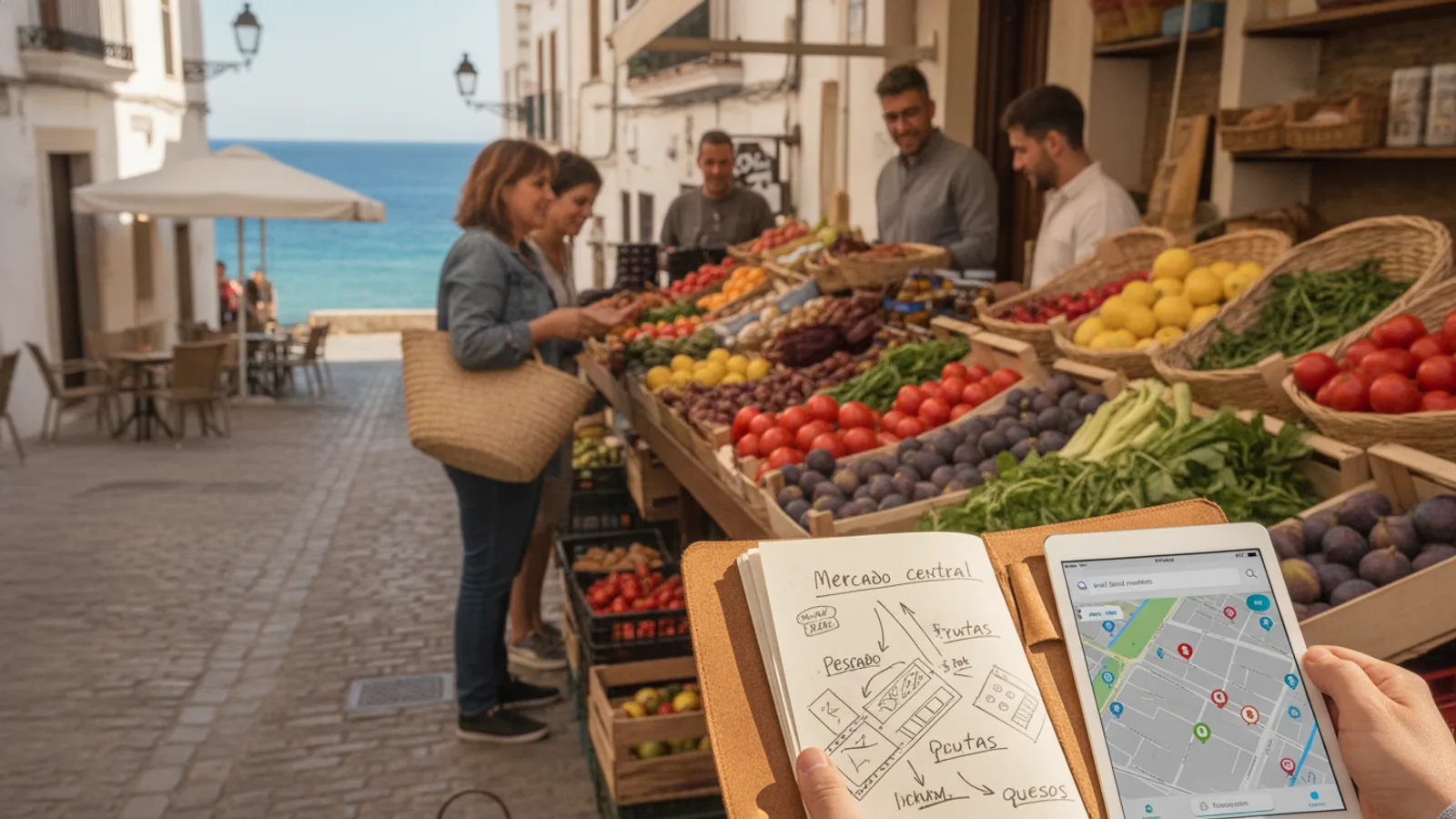
Pick a neighborhood or a street known for good food, such as a historic district or a market hall area. Then list at least five specific places you want to try, including a bakery, a cheese shop, a small restaurant, and a café. Use a map to plot them and see if they fall into a logical walking route. You do not need to go in a straight line, but you should be able to move from one to the next without doubling back too much. Check the opening hours for each spot, because a bakery may close at 5 PM and a restaurant might not open until 7 PM. Also, look at the distance between places. Ideally, each stop is no more than five to ten minutes away on foot. This keeps your energy up and allows you to browse spontaneously. Once you have a tentative route, screenshot the map or save it offline. You will use this as your primary guide during the weekend, so make sure the route matches your walking pace and includes a moment to sit down and rest.
Reserve tables for dinner in advance
For each dinner you plan to have, especially on Friday and Saturday evenings, decide which restaurant you want to visit. Then use an online reservation platform or call the restaurant directly. Many European restaurants have a limited number of tables and do not hold back seats for walk-ins on weekends. If you cannot book a specific place, have a backup list of two or three alternatives with the same cuisine or vibe. When you make a reservation, ask for the confirmation to be sent by email or save the confirmation number in your notes. On the day of, you may want to call again to confirm, although that is not always necessary. A reservation guarantees you have a seat, but it also helps the kitchen prepare. If you find that a restaurant is fully booked, consider going for lunch instead, because lunch menus are often cheaper and easier to get into. Remember to check if the restaurant requires a dress code or has a policy on large groups, just to avoid surprises.
Load offline maps and translation tools
Before you leave your accommodation, open your map application and download the city map for offline use. This is a crucial step because you will not always have a reliable data connection, especially in narrow streets or old buildings. Offline maps let you see your location, search for nearby restaurants, and get walking directions without using internet data. Also, install a translation app that works offline, or at least save the phrases for common food terms like 'menu', 'water', 'bill', and 'I have a reservation'. This helps you order confidently and communicate with staff. To make your offline map even more useful, mark all the places you have planned with pins, including your accommodation, each food stop, and a couple of public toilets. That way, you can tap a pin and get directions instantly. Check that your phone's battery is full in the morning, and consider carrying a small power bank for long days. Remember, your phone is your guide and your translator, so keep it powered.
Adjust your eating schedule to local times
Many European cities have specific meal times that differ from your habits. For example, lunch often starts around 12:30 PM and ends by 2:30 PM, while dinner does not begin until 7:30 or even 8:30 PM. If you are used to eating at 6 PM, you may find that kitchens are still closed. To avoid hunger or disappointment, plan your meals according to the local rhythm. Check the opening hours of each restaurant and note when the kitchen closes. You can have a mid-morning snack, like a pastry from a bakery, to tide you over until a later lunch. For dinner, consider having a small appetizer or a glass of something while you wait, but do not fill up too much. Also, be aware that some places offer a 'menu del día' at lunch, which is a fixed-price meal that is a great value. By matching your meal times to the city's customs, you will enjoy more authentic food and avoid the frustration of standing outside a closed door.
Check your phone settings and power backups
Your phone is your most important tool for navigation, translation, and reservations. Before you head out each day, check that your battery is fully charged and that your phone is not in a battery-draining mode. If you have limited data, turn off automatic updates and background app refresh. Also, go into your settings and see if your phone has a built-in battery saver or a low-power mode; turning it on can extend your battery life. Carry a small portable charger or a power bank, especially if you plan to be out for more than four hours. Many cafés and restaurants have power outlets, but they may be difficult to access or charge you for using them. Instead, rely on your own charger. Also, check your roaming settings with your provider before you travel, because international data costs can quickly add up. Downloading offline maps and saving important information will minimize your data use. Finally, keep a paper backup of key addresses and reservation times in your pocket, just in case your phone breaks or gets lost.
Quick Reference
| Situation | Action | Why it helps |
|---|---|---|
| You arrive at a restaurant you planned to visit, but the sign says 'Closed' or the kitchen is closed for the afternoon break. | Pull out your backup list of two or three nearby alternatives that you saved on your offline map, and walk to the nearest one, checking their opening hours first. | Having a prepared backup prevents hunger and disappointment, and keeps your walking route intact without wandering aimlessly. |
| You finish a big meal and feel too full to walk the long way back to your accommodation. | Look for a park bench or a café terrace nearby where you can sit for at least ten minutes, and use your offline map to find a shorter route that avoids steep hills. | Resting for a short time helps digestion and prevents fatigue, and a gentler route reduces the risk of feeling unwell or overly tired. |
| You realize you have lost your data connection and cannot find the next food spot on your list. | Switch your phone to airplane mode, then open your offline map and use the offline maps to locate your current position and navigate to the next pinned place. | Offline maps work without internet and can pinpoint your location using GPS, so you can stay on track even without a data signal. |
Common Issues
- Restaurants are full or require a reservation when you have not booked.: Use your backup list and go to a less famous but still delicious place nearby. Ask locals or your accommodation staff for a recommendation, and be willing to eat at an off-peak time, such as 6 PM for dinner or 11 AM for lunch.
- Your feet hurt from walking on cobblestones all day.: Take a mid-afternoon break at your hotel or a coffee shop to rest your feet for at least half an hour. Apply a pain-relief balm or change into a pair of comfortable sandals or sneakers if you have them. Also, check if your walking shoes are properly broken in; if not, buy a pair of blister plasters.
- You cannot find the exact entrance to a food market or a hidden restaurant because the map is not precise.: Look for the nearest public square or a recognizable church, then ask a local passerby for directions using simple phrases or a translation app. Many markets have multiple entrances, so walk around the perimeter and use your nose for fresh bread, coffee, or cheese.
Advanced Tips
- Make a reservation for a standing-room-only wine bar or a tiny trattoria, which often have limited seating and turn away walk-ins; you can book by phone even if you do not speak the language perfectly.
- Use the 'lunch menu' at a higher-end restaurant, which offers a multi-course meal at a fraction of the dinner price, and gives you a chance to taste the chef's skills without a big commitment.
- Find a local bakery that opens early in the morning and offers fresh bread, pastries, and coffee, and go there at 7:30 AM to see the daily rhythm and buy a snack for later.
Final Checklist
- Confirm that your accommodation is within a 15-minute walk of at least three food destinations, and note the route from your room to the nearest restaurant.
- Book a table for every planned dinner, especially for Friday and Saturday nights, and save the confirmation details on your phone and on paper.
- Download offline maps for the city and mark all your food stops, including alternatives, and have a small power bank to keep your phone charged all day.
- Check the opening hours and midday break times for every place you want to visit, and have a backup plan for each meal.
FAQ
Do I really need to make reservations for a casual weekend trip?
Yes, especially for popular restaurants, food halls, or any place with a seating capacity. Many European cities have a thriving food culture, and good restaurants fill up quickly on weekends. If you do not have a reservation, you may wait for an hour or be turned away. However, if you are open to eating at unusual times or trying off-the-beaten-path spots, you can still find tables without a booking. For the best experience, have at least one dinner reservation per day.
Why do restaurants in Europe close between lunch and dinner?
This is a common tradition in many European countries that allows restaurant staff to have a break and prepare for evening service. Kitchens often close from 2:30 PM to 6:30 PM, and some restaurants even close entirely on certain days, such as Monday. If you want to eat during this time, look for places that offer continuous service, like bakeries, cafés, or some international restaurants. Always check the posted hours before you walk in.
How can I avoid getting lost without using so much data on my phone?
The best way is to download offline maps for the city before you travel, which you can do in most map apps when you have Wi-Fi. Offline maps allow you to see your location using GPS and get directions without an internet connection. Also, save all the addresses and pins of your desired food spots. If you are concerned about battery life, download your maps while you are at your accommodation and keep your phone on battery-saver mode. You can also turn off cellular data and rely on the offline maps, and use a translation app that works offline.