What To Check Before A Relaxed Food Route Through A Historic City Centre
A practical step-by-step guide to what to check before a relaxed food route through a historic city centre, including preparation, instructions, common issues, tips, and next steps.
What To Check Before A Relaxed Food Route Through A Historic City Centre
Before you set off on a relaxed, unhurried food route through a historic city centre, a little preparation turns a good day into a great one. Checking a few practical things—like your walking shoes, local opening hours, payment options, and how to handle crowds—means you can focus on tasting and exploring without stress. This guide walks you through the essential checks so you can enjoy cobblestone lanes and tiny eateries at your own pace.
Fast Answer
- Wear comfortable, broken-in walking shoes and carry a small daypack with water, a portable charger, and a light rain jacket.
- Check the opening days and hours of the food spots you plan to visit, and have a backup list in case one is closed or too busy.
Before You Start
- Choose footwear that has been worn before—never new shoes for a long walk over uneven cobblestones—and bring a pair of cushioned socks.
- Pack a small crossbody bag (not a backpack) so you can keep your hands free for tasting and your valuables secure in crowds.
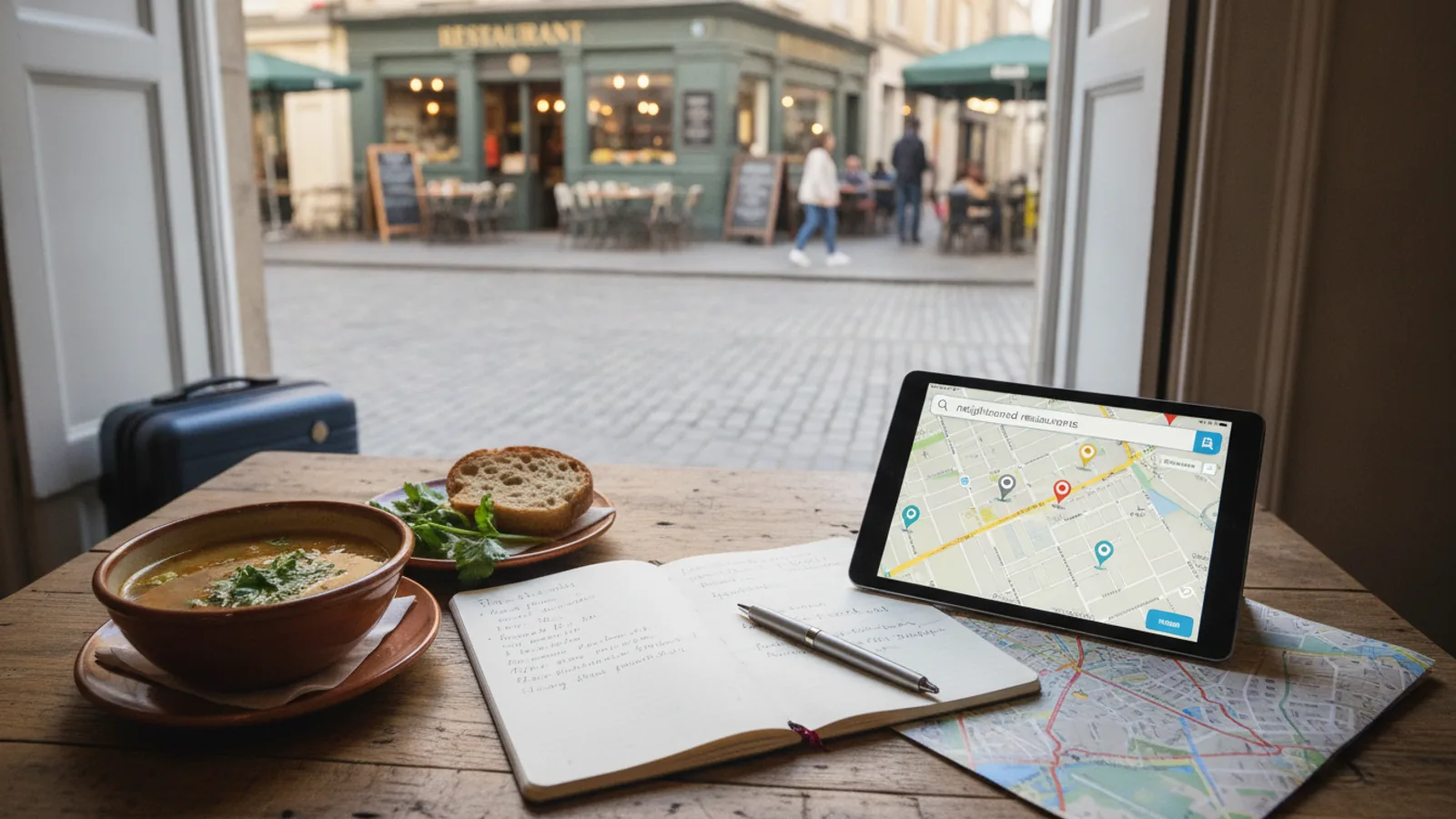
- Look up the historical centre's layout online and mark your must-try food stops on a map you can use offline.
- Charge your phone and carry a backup power bank, because you will likely use maps, photos, and payment apps throughout the day.
Step-by-Step Instructions
Comfortable shoes and practical clothing
Your feet are your main transport for the day, so make them happy. Choose shoes that are already broken in—new ones can cause blisters on rough paving. Look for a sole with good grip; wet cobblestones are slippery. Wear light layers because historic streets often mix sunny squares with shady alleys. Carry a light rain jacket or compact umbrella just in case. Test your shoes on a short walk at home a few days before. If they rub, apply a blister plaster to the problem area before you leave. Remember, you might stand while eating or walk long distances between stops, so your clothing should be comfortable for both. Also, dress respectfully if you plan to enter churches or other historic buildings—some require covered shoulders and knees.
Check opening hours and rest days
Small food shops, family-run bakeries, and traditional eateries often have quirky hours. They may close on a particular weekday, shut for a few hours after lunch, or open only for dinner. Before you head out, check their websites, social media pages, or a reliable local guide. Write down the opening times in a notes app or on a paper card you carry with you. Plan your route so that you arrive at each place within its window. If a place is closed when you get there, don't panic—have a backup list of two or three nearby alternatives. Also, note that some places take a rest day during the week, especially outside peak tourist season. Knowing these hours helps you avoid a long walk to a locked door.
Payment options and small cash
Historic city centres are full of tiny, charming shops that might not accept cards. Before your trip, check what payment methods are common by reading recent reviews or the establishment's own information. Carry a modest amount of local cash in small denominations for those cash-only places. Also, let your bank or card provider know you are travelling so they don't block your card for suspicious activity. On the day, keep your cash and cards in separate pockets or a hidden pouch. When paying, always double-check the amount before tapping or handing over cash. If you plan to use a mobile wallet, ensure your phone's battery is topped up and you have offline access to your digital cards. And if you are unsure about a place, ask before you order whether they accept your payment method.
Route planning with room to wander
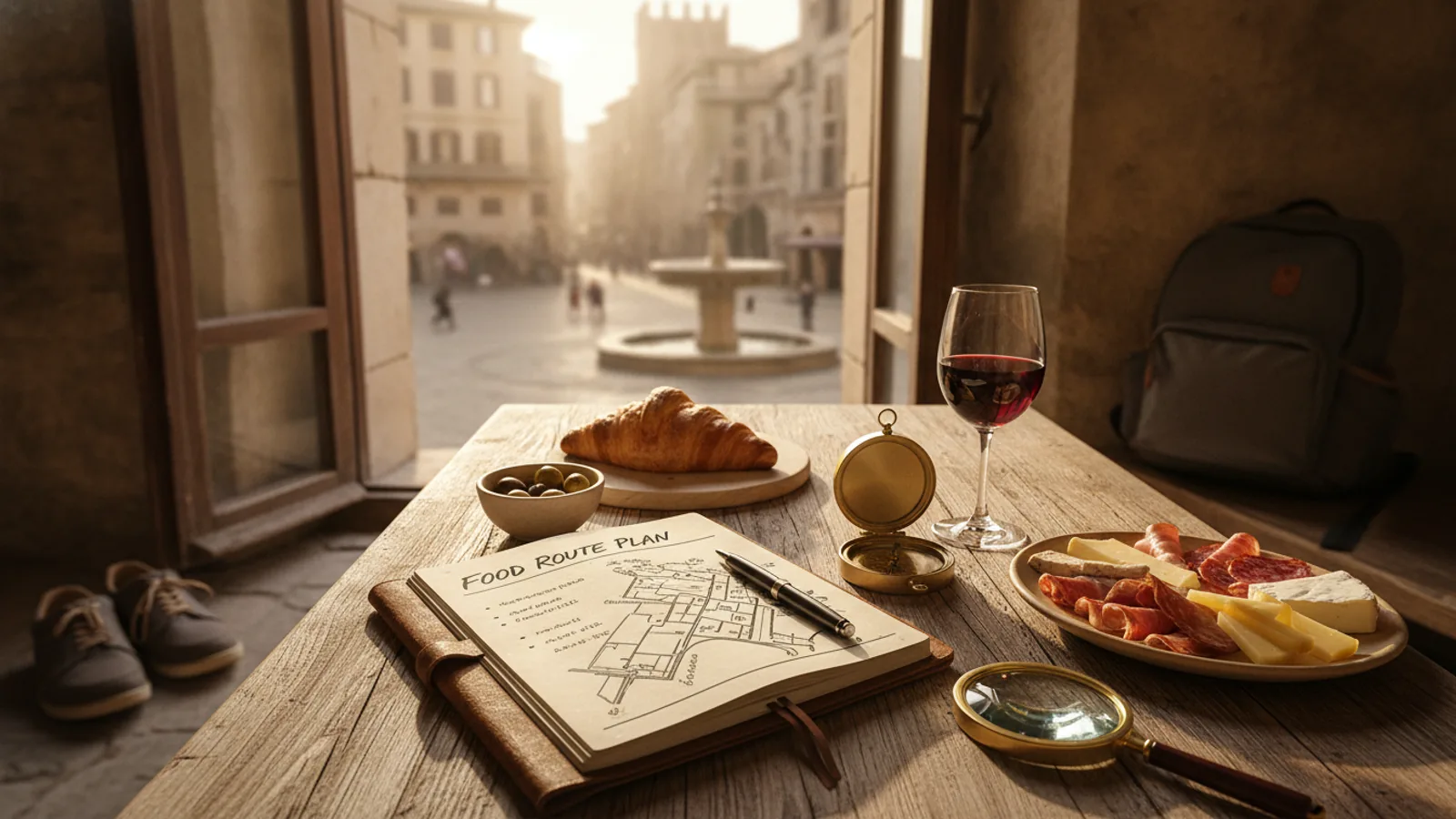
A relaxed food route isn't a strict schedule; it's a loose framework. Start by picking a starting point and an ending point, then connect them with streets that invite you to pause. Use a map to identify clusters of food stops that are within a ten-minute walk of each other. This way, you can stroll without backtracking. Also, note the location of public benches, squares, and shaded spots where you can rest and enjoy a snack. While you plan, leave time for unplanned detours—a tiny bakery behind a church or a market stall you didn't expect. Keep your route as a rough outline in your pocket, but let your curiosity guide you. If you get lost, that's part of the charm, as long as you know roughly where you are and can find a main street.
Stay hydrated and carry water
Walking and tasting can be dehydrating, especially if you're eating salty snacks or savoury dishes. Carry a refillable water bottle with you. In many historic centres, there are public fountains with safe drinking water—ask a local or look for a sign. If you're unsure about the water safety, buy a large bottle and refill your small one as you go. Take a sip of water between bites, especially if you're trying strong-flavoured local specialities. This cleanses your palate and stops you from getting thirsty without noticing. Also, a sip of water before a meal can prevent overeating, helping you save room for more tastings. And if the weather is hot, drink more than you think you need; you'll be spending hours outdoors.
Keep energy and focus with smart snacking
A relaxed food route can be long, and you might get tired or low on energy before you reach your next planned stop. Carry a small, non-perishable snack like a packet of nuts, a piece of fruit, or a granola bar. When you feel your energy dip, find a quiet spot—a park bench or a calm church courtyard—and have a little bite. This prevents you from arriving at a food stop too hungry and ordering everything in sight. It also keeps your blood sugar steady, so you stay calm and enjoy each tasting rather than rushing. Remember, the goal is to savour, not to stuff yourself. If you have dietary restrictions, having your own snack ensures you're never stuck without something you can eat.
Quick Reference
| Situation | Action | Why it helps |
|---|---|---|
| You planned to try a famous pastry shop, but it's closed for a week. | Pull out your backup list of other must-try spots and pick the nearest one. Adjust your route to include it, and then continue to your next planned stop. | Having a plan B keeps your day flexible and prevents disappointment from derailing your whole trip. |
| You find a tiny, inviting family-run eatery not on your list. | If it looks clean and the menu seems appealing, and you have time, go in and order something small to taste. You can always eat more later. | Spontaneous discoveries are part of the relaxed experience, and a little extra tasting won't ruin your plan as long as you keep it light. |
| Your mobile map stops working because you're out of coverage. | Switch to your printed map or the paper map you drew, and orient yourself by a main tourist sign or a landmark you can see. | Paper maps need no signal, and staying calm and oriented keeps the day relaxed instead of stressful. |
Common Issues
- You get sore feet from ancient cobblestones and lots of walking.: Find a café or a bench, take off your shoes, gently stretch your toes, and massage your arches. If you have plasters, apply them to any hot spots. Consider calling it a day a bit early or finding a tram to skip a long stretch.
- You feel overwhelmed by the sheer number of food choices.: Take a break in a quiet square, drink some water, and prioritise what you truly want to try. Choose one or two must-haves per route, and let the rest be options if you're still hungry.
- You're worried you'll miss out on a local delicacy because you don't know it exists.: Ask a local shopkeeper or your accommodation's staff for their personal recommendation. Often, the best dishes are the ones you haven't heard of, and a personal tip adds to the adventure.
Advanced Tips
- Check the local festival calendar online before you go; a street food festival or a public holiday can either close shops or fill them with special treats, so plan accordingly.
- Learn a few basic phrases in the local language, like 'what's good today?' or 'any recommendation?'—it opens doors and often gets you a special taste.
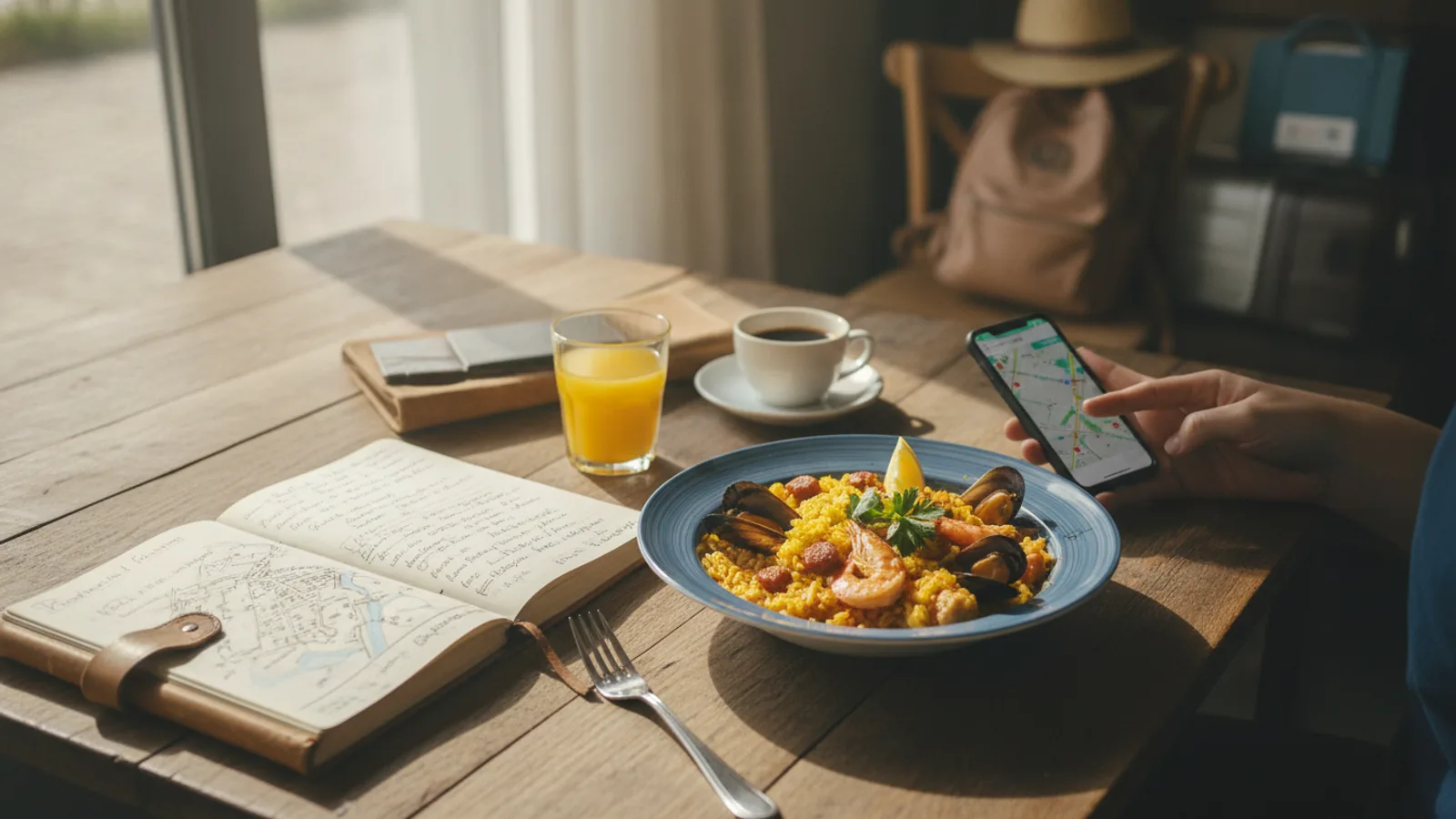
- Carry a small notebook and pen to jot down the names of dishes and shops you love; you'll want to remember them or recommend them to friends later.
Final Checklist
- Wear broken-in, comfortable shoes with good grip and bring a lightweight layer for changing weather.
- Confirm opening times for your target food spots and have a backup list of at least two alternatives.
- Ensure you have a mix of cash and a payment card, and your phone is fully charged with a power bank.
- Pack a water bottle and a small emergency snack, and know where you can refill and rest along your route.
FAQ
How do I find the best local food in a historic city centre without a guidebook?
Ask a local resident, a shopkeeper, or your accommodation's staff for their personal favourite. They know where the residents eat, which is often more authentic than tourist spots. Also, look for places that are busy at lunchtime, as that's a sign of quality.
What if I have limited time and can't eat at every place I want to try?
Prioritise the spots that are unique to the city or that you've been eager to try. It's perfectly fine to only have a small taste at one place and move on. Sharing samples with a companion also lets you try more without overeating.
Is it safe to eat at street stalls or very small family-run places?
Generally, food sold in busy market stalls or small shops that are popular with locals is safe, but use your judgment. Check that the stall looks clean and the food is fresh. Watch how quickly they go through their ingredients; a busy stall usually means food turnover is high, reducing risk.