Common Mistakes When Planning A Weekend Itinerary That Leaves Room For Local Food
A practical step-by-step guide to common mistakes when planning a weekend itinerary that leaves room for local food, including preparation, instructions, common issues, tips, and next steps.
Common Mistakes When Planning A Weekend Itinerary That Leaves Room For Local Food
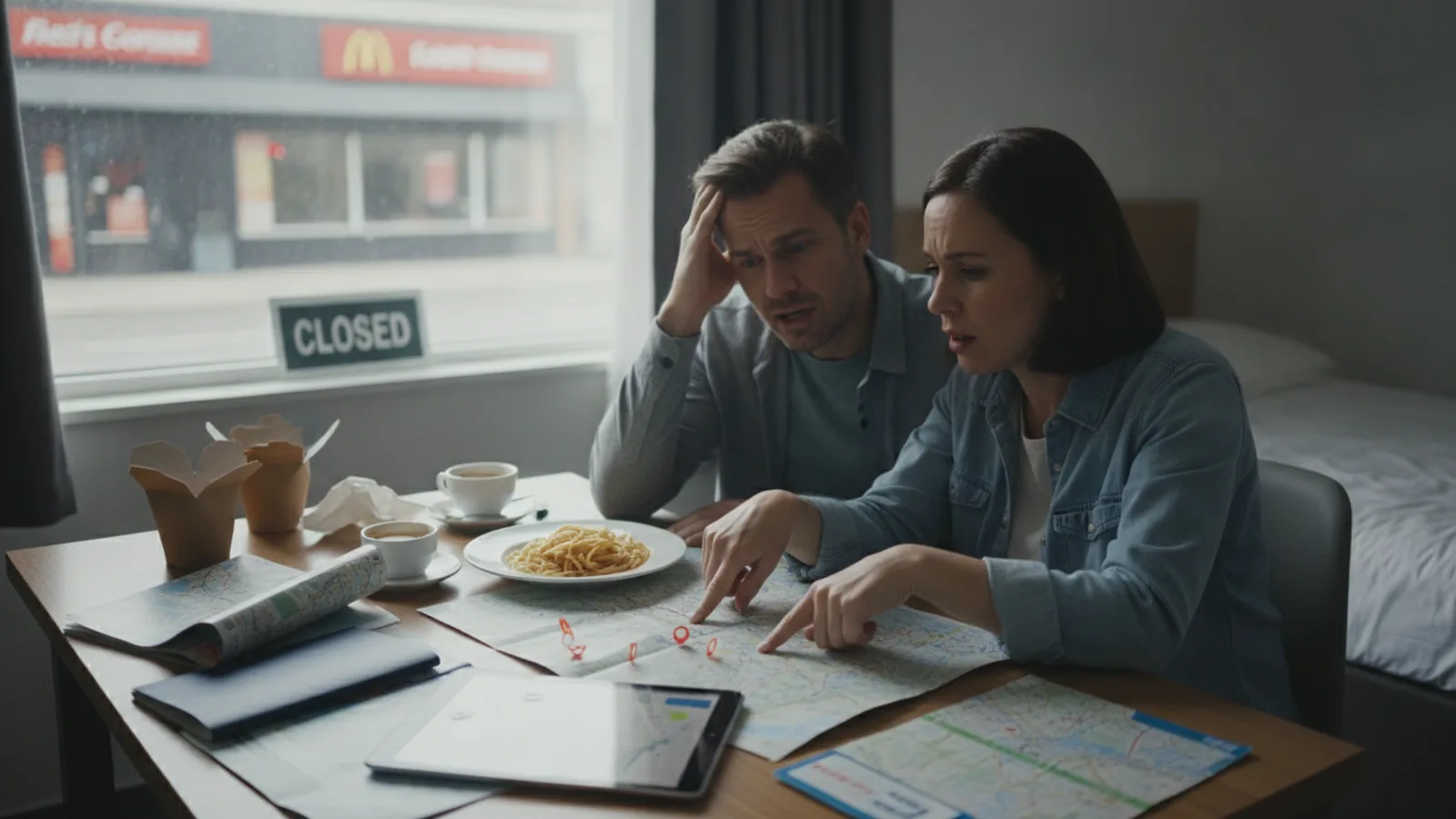
Planning a weekend itinerary that leaves room for local food is a common challenge. Many travelers pack too many sights, skip mealtime planning, or ignore the geography of their chosen restaurants. This guide helps you avoid these mistakes by balancing activities with eating opportunities, so you enjoy the local cuisine without feeling rushed or missing out.
Fast Answer
- To avoid common itinerary mistakes, schedule only two or three major activities per day and leave flexible blocks for meals and spontaneous exploration.
- Before finalizing your plan, map out the locations of your chosen restaurants and sights to minimize travel time and maximize your culinary experience.
Before You Start
- Research the local dining scene: note peak meal times, popular dishes, and any signature foods you must try.
- List the top three to five local restaurants or food stalls you don't want to miss and note their opening hours and locations.
- Sketch a simple map of the area you'll be visiting, marking both your planned activities and your food stops.
- Decide on a budget for meals and snacks, but leave some flexibility for unexpected food finds.
Step-by-Step Instructions
Prioritize Your Must-Do Activities and Food Experiences
Start by writing down all the attractions, landmarks, and neighborhoods you want to visit, along with the specific restaurants or food items you want to try. Then, rank them by importance, both in terms of interest and the likelihood you'll be near them. For example, if a famous bakery is close to a museum you want to see, group them together. Limit yourself to two or three major activities and one or two food stops each day. This forces you to be selective and prevents a packed schedule that leaves no breathing room. After making your list, cross off anything that feels like a 'should do' rather than a 'must do.' This step is crucial because it establishes a manageable framework, ensuring you have time to savor meals without feeling rushed.
Schedule Meals as Anchor Points in Your Day
Decide on your meal times and build your itinerary around them. For lunch, aim for between 12:30 and 1:30, and for dinner, between 7:00 and 9:00, adjusting to local customs. These meals become your fixed points, and you plan activities either before or after them. For instance, if you book a lunch at a renowned seafood place at 1:00, you know you need to be nearby by 12:45. This prevents you from wandering too far and then facing a long trip back for a meal. Moreover, scheduling meals prevents you from getting so absorbed in an activity that you miss the kitchen's closing hours, which is common in smaller towns or family-run places. By anchoring your day around meals, you naturally create pauses to relax, rest, and enjoy the local atmosphere.
Map Out the Geography of Your Itinerary
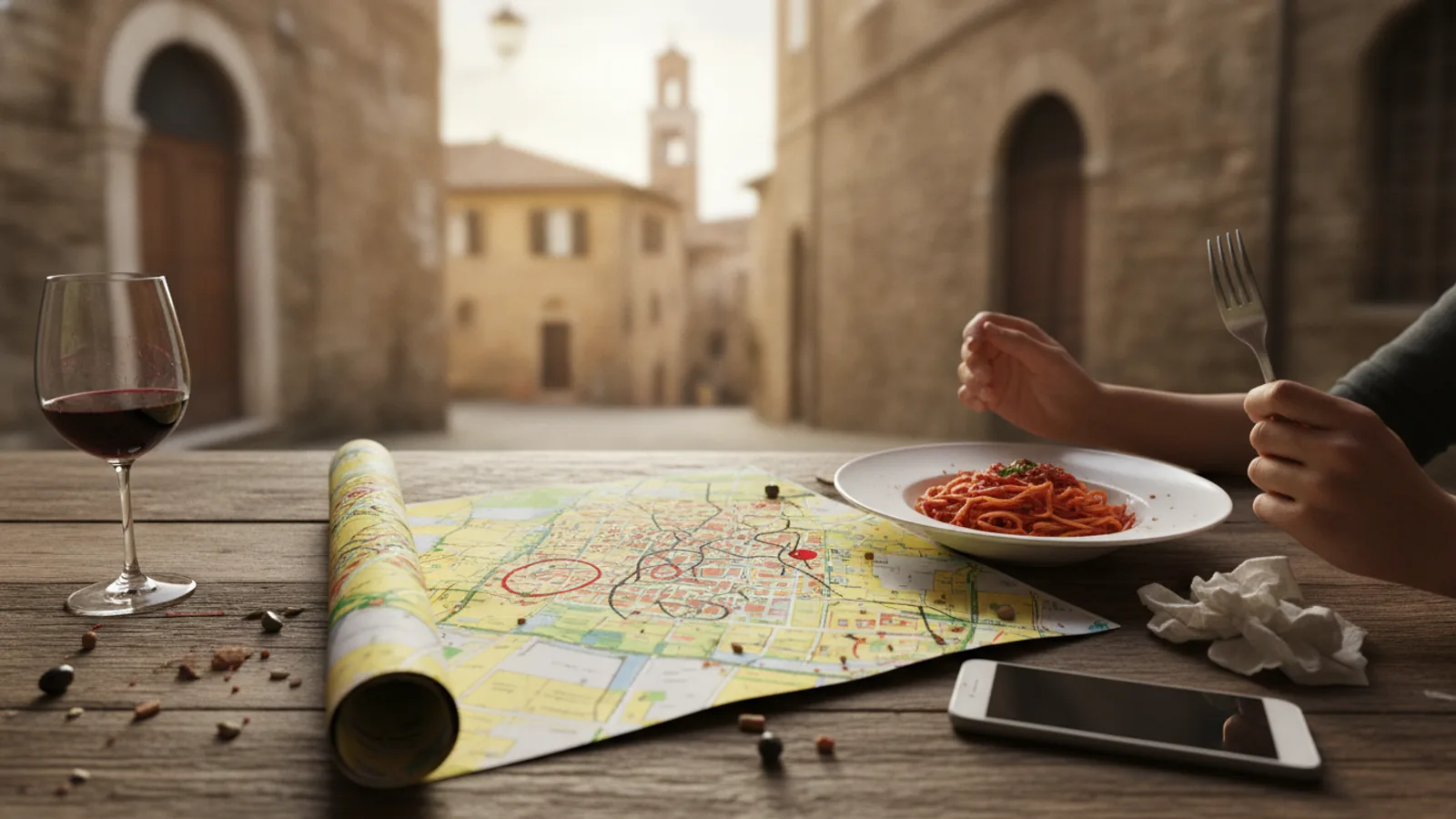
Once you have your list of activities and meals, plot them on a map or in a mapping app. Group them by neighborhood or area. For instance, if you're planning to visit a market in the morning and a temple in the afternoon, check if a local noodle shop is on the way. Having a visual of distances helps you avoid crisscrossing the city multiple times, which wastes precious time. You might find that a famous restaurant is in a different part of town than your afternoon plans. In that case, choose a different place to eat or rearrange your schedule. This mapping step also helps you discover hidden gems—maybe a food stall is adjacent to a park you planned to visit, so you can combine them. By doing this, you reduce travel time and increase the time you have for eating and exploring.
Build in Flexible 'Buffer' Blocks for Spontaneity
In your itinerary, carve out at least one hour to two hours of unplanned time each day. You can label this as 'explore' or 'wander.' During these blocks, you can follow a local's recommendation, stumble upon a street food cart, or duck into a bakery that smells amazing. The mistake many planners make is filling every minute with scheduled activities, leaving no room for discovery. For example, after visiting a museum, you might have a free hour before dinner; instead of rushing back to the hotel, use that time to walk around the neighborhood and try a snack. This not only lets you experience food you didn't research but also helps you digest the day's experiences. Flexibility also protects you from disruptions like unexpected closures or fatigue.
Limit Reservations and Research Opening Hours
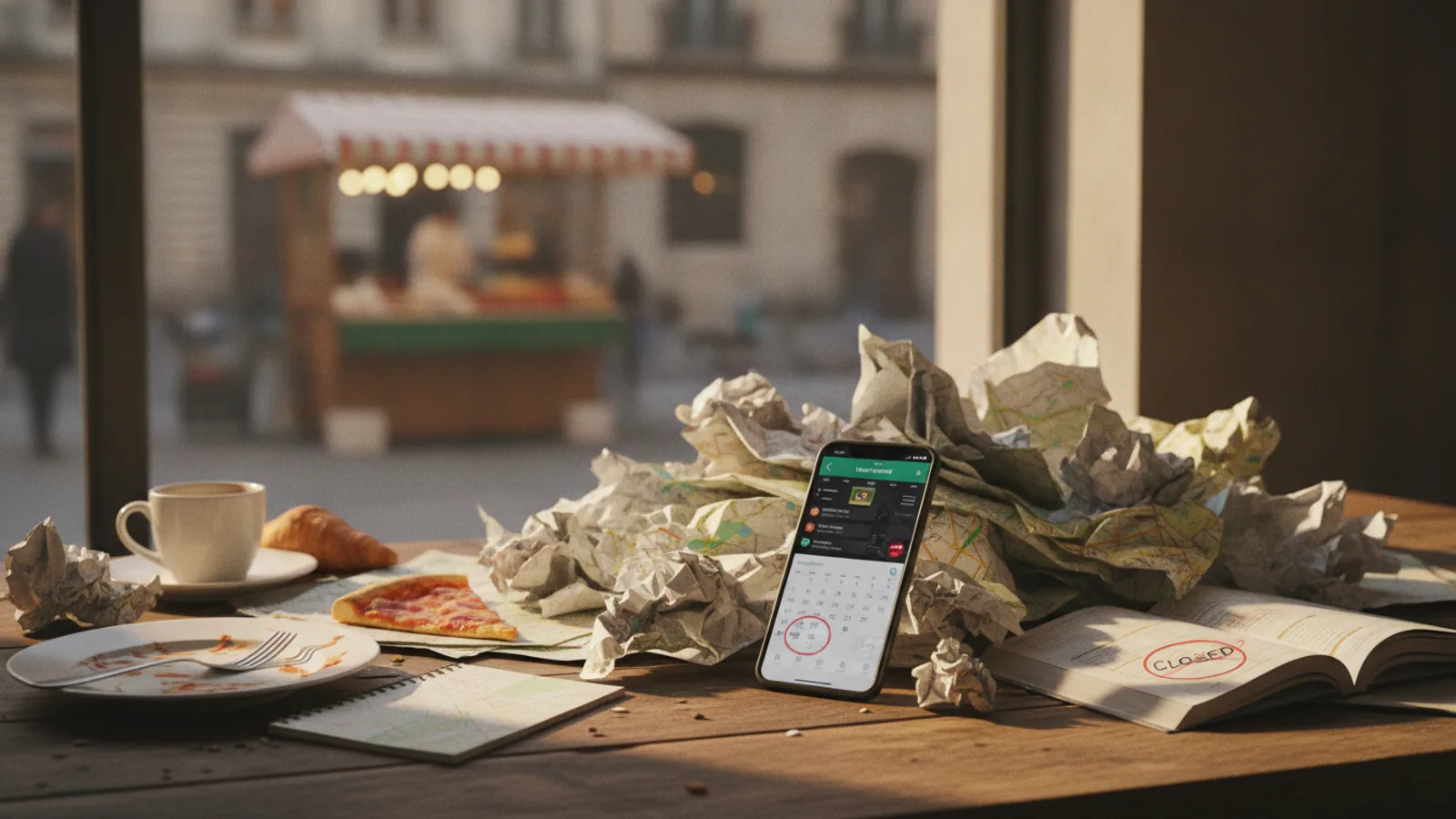
Before you leave, check the opening hours and if the place takes reservations. For popular or highly recommended restaurants, it might be wise to reserve a table, especially for dinner. However, don't overbook. A reservation ties you to a specific time, so if you're running late from an activity, you'll feel stressed. For casual street food or markets, no reservation is needed, but you should know their hours and peak times. For instance, some markets are only open in the morning, and some food stalls sell out by early afternoon. Write down these hours in your itinerary. This step is crucial so you don't show up at a restaurant on a day it's closed or at 2:00 for lunch when they close at 2:00. Being informed about hours prevents disappointment and wasted trips.
Review and Trim Down the Final Itinerary
Once you have a rough draft of your weekend schedule, go through it critically. Ask yourself: 'Is there any moment where I'll be rushing from one place to another?' If the answer is yes, cut something. A good rule is to have at least one meal where you can relax and sit for an hour or more. Also, check that you haven't scheduled two heavy meals too close together, as you'll be too full to enjoy the second. Trim any activity that isn't a top priority, and consider if you can combine actions, like having lunch at a place near your hotel if you plan to rest in the afternoon. The goal is to have a flowing day with natural pauses. This review ensures that your itinerary is realistic and enjoyable, rather than an impossible checklist that ruins your experience.
Quick Reference
| Situation | Action | Why it helps |
|---|---|---|
| You have three must-see attractions and two must-eat restaurants, but they are all on opposite sides of town. | Drop one attraction and one restaurant, or choose a restaurant that is on the way to the attraction. | This prevents spending a significant chunk of your day on transportation, leaving more time to enjoy the experience. |
| You are at a market and try a snack that fills you up, but you have a big dinner planned in two hours. | Cancel or reschedule the dinner reservation to a later time or switch to a lighter meal option at the restaurant. | This avoids wasting money and feeling uncomfortable from overeating, and it keeps your schedule flexible. |
| A restaurant you particularly wanted to try is closed for a private event on the day you planned to go. | Use your flexible buffer block to pick an alternative nearby, and check the restaurant's social media for other availability. | This ensures you still have a satisfying meal and don't let the closure ruin your whole day. |
Common Issues
- You overplan activities and end up skipping meals or eating on the run.: Limit each day to three major activities and always schedule a sit-down meal. If you find yourself rushing, cancel the least important activity.
- You don't check if a restaurant is open on the day you plan to visit, especially on Sundays or holidays.: Before going, verify opening hours online or call the restaurant. Also, check for seasonal closures and have a backup plan.
- You underestimate the time needed to travel between locations, leading to missed reservations or rushed meals.: Use a mapping app to estimate travel times, and add at least 30 minutes for unexpected delays. Also, avoid scheduling activities on opposite ends of town consecutively.
Advanced Tips
- If you're visiting a city with a vibrant street food scene, plan a walking food tour instead of a sit-down dinner for one of the nights—it's often more varied and casual.
- Use local social media groups or hashtags to discover current food trends and small pop-ups that might not appear in guidebooks.
- Consider a late lunch (around 3:00 PM) to avoid the peak crowd and have a more relaxed meal, especially at busy spots.
Final Checklist
- I have listed my must-do activities and must-eat foods, and I have cut them down to a realistic number.
- I have scheduled my meals as fixed appointment times and added buffer blocks for spontaneity.
- I have mapped out all my stops and confirmed the opening hours of each restaurant or food stall.
- I have reviewed my itinerary to ensure no rushing and have left at least one meal unplanned.
FAQ
How do I decide between two restaurants when I have limited time?
Consider the type of experience each offers. If one is a legendary institution but has a long wait, and the other is a family-run spot with great reviews, choose based on your priority: if you want to check off a must-do, go to the legendary place early; if you want a relaxed meal, choose the family-run place. Also, think about location—does one fit better with your day's route? In the end, both will likely give you a memorable meal, so don't stress too much.
What if I can't find information about a restaurant's opening hours?
If you can't find hours online, try calling the restaurant directly or ask your accommodation's front desk to call. You can also check their social media pages, which often post updates. As a last resort, you can visit the area earlier in the day to check if they are open, and if not, have a backup in mind. Missing a specific restaurant isn't a disaster—you'll likely find another delicious option nearby.
Is it better to have a fully planned itinerary or leave everything spontaneous?
A balance is best. Completely spontaneity can lead to missed highlights and long waits, while a rigid plan can cause stress and missed food opportunities. Plan the key anchor points like major activities and must-eat meals, but leave at least a couple of hours free each day for exploring and unexpected discoveries. This way, you have structure and flexibility, making for a more enjoyable weekend.