Common Mistakes When Planning Choosing A Stay Near Neighbourhood Restaurants
A practical step-by-step guide to common mistakes when planning choosing a stay near neighbourhood restaurants, including preparation, instructions, common issues, tips, and next steps.
Common Mistakes When Planning Choosing A Stay Near Neighbourhood Restaurants
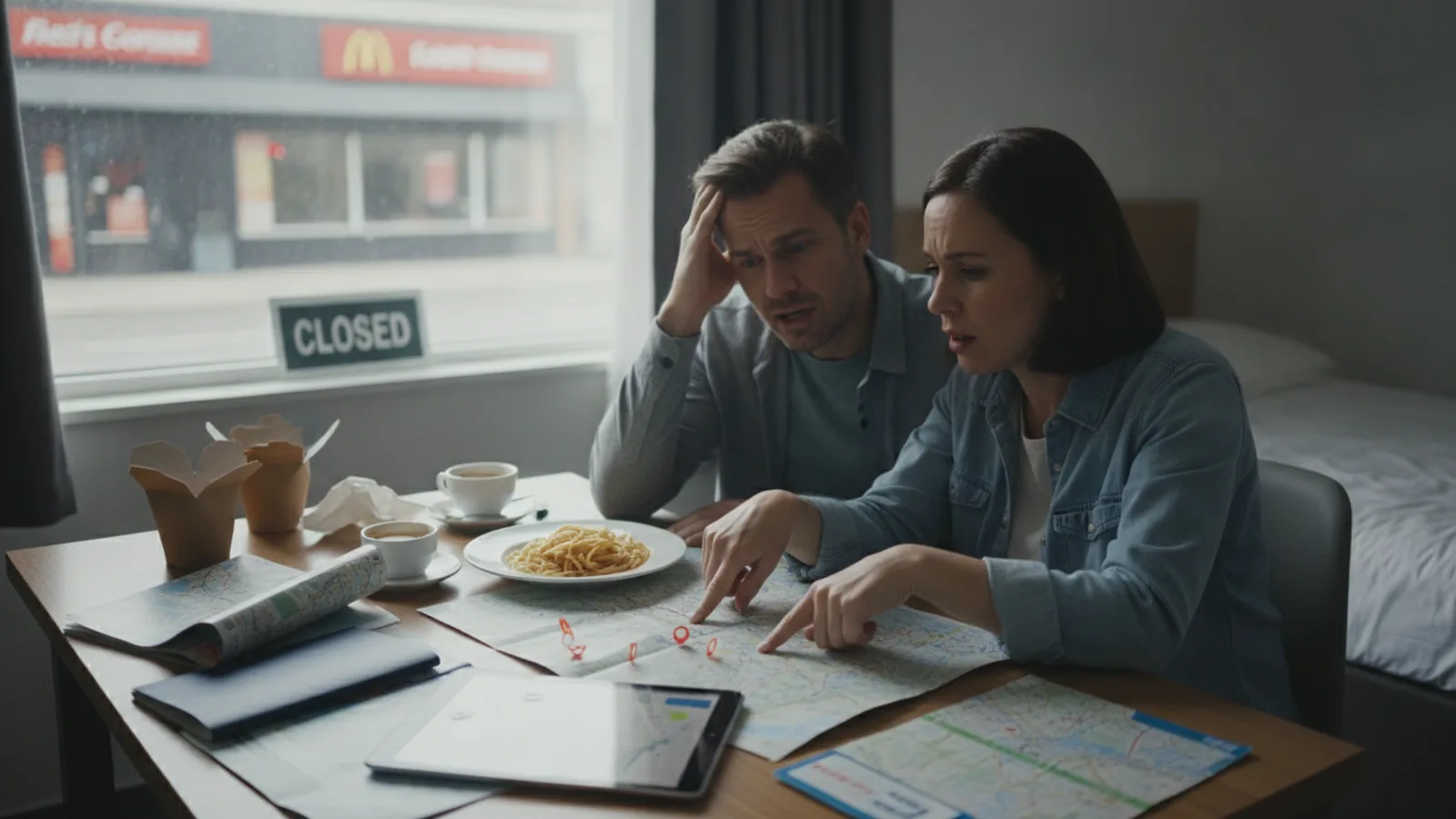
Choosing a stay near a neighborhood restaurant is about balancing convenience, noise, and local character. Many travelers book by map alone, then discover that a charming street front hides a noisy exhaust fan, or a popular brunch spot means a morning queue outside their window. Avoiding these pitfalls requires a deliberate look at restaurant hours, outdoor seating, delivery traffic, and waste pickup schedules. This guide walks through six common mistakes—from ignoring noise at closing time to overlooking the impact of delivery vehicles—and offers practical checks you can do before booking. It also covers prep steps, quick reference situations, common issues, and advanced tips to help you choose a room that feels restful yet connected to the neighborhood's food scene. The goal is to turn a potential annoyance into a delightful part of your stay.
Fast Answer
- Check restaurant closing times and outdoor seating: a late-night terrace could mean noise until after midnight, so plan your room's location and your earplugs accordingly.
- Map delivery vehicle routes and trash pickup schedules: busy restaurants generate trucks at odd hours, so ask your host about their typical schedules before you book.
Before You Start
- List three neighborhood restaurants that you want to try, then note their open and close times from their own sites (not third-party apps).
- Use a map view that shows satellite imagery to see if there is an alley or loading dock near the restaurant; that is where delivery trucks often idle.
- Search local community groups or forums for the phrase 'restaurant noise' plus the neighborhood name to read real resident complaints.
- If your stay has a balcony or window, measure the distance from the restaurant's outdoor seating area to that spot using an online mapping tool.
Step-by-Step Instructions
Map the restaurant's active hours against your sleep window
Start by listing the exact opening and closing times of the restaurants you are considering, including their kitchen hours and bar hours. A restaurant that serves dinner until 10 PM but has a bar open until midnight will still generate noise at 11:30 PM. Then, compare those times with your typical sleep schedule. If you plan to go to bed at 10 PM, a restaurant that closes at 11 PM might not be a problem, but one with a late-night bakery that opens at 5 AM could be. For each restaurant, write down the latest hour that you would still be awake and the earliest hour you would hear activity. Practical check: For each candidate stay, ask the host or property manager for the restaurant's posted hours, and confirm if they have a copy of the local noise ordinance that might restrict outdoor music after a certain time. This check matters because it turns an assumption about 'normal restaurant hours' into a fact-based decision, preventing surprises from early trash pickup or late patio service.
Assess the layout of outdoor seating and entrances
Walk around the block or use a satellite view to see if the restaurant has a patio, sidewalk tables, or a front door that faces your building's entrance. A restaurant with outdoor seating that wraps around to the back of your building will be right under your window. Also look for second entrances, like a side door used for takeout pickup; that door can slam all evening. Practical check: List every door, window, and outdoor area that the restaurant has, and then mark on a simple map which of those are directly below or beside your prospective room. If possible, pick a room that is at least two floors above the restaurant's roof line, since sound travels upward. This check matters because it helps you visualize the path of noise, not just the distance. A restaurant that is 50 meters away but uses a high-powered exhaust fan can be louder than one that is 10 meters away but has no fan.
Identify the delivery and trash pickup schedule
Most restaurants receive deliveries from distributors, and many use third-party food delivery services. These trucks often arrive early in the morning, such as between 5:30 and 7:00 AM. They park as close as possible to the kitchen, which is often in the back of the building, right below guest rooms. Trash pickup also happens early, with dumpsters being emptied before the street gets busy. For each restaurant, ask the manager directly for their typical delivery days and times, and also note the days when outdoor bins are put out for collection. Practical check: Call the restaurant and ask, 'What time do you usually get your produce delivery, and what day does the trash truck come?' Then, compare that with your preferred wake-up time. If you are a late sleeper, a room on the opposite side of the building might be necessary. This check matters because delivery noise is a common complaint, and knowing the exact schedule helps you avoid a room that faces the loading area.
Gauge the crowd patterns from weekday and weekend habits
Restaurants have very different habits on weekdays versus weekends. A quiet weeknight can turn into a loud weekend brunch spot with people queuing on the sidewalk. Also, some restaurants have a happy hour that creates a burst of crowd noise in the late afternoon. For each restaurant, check online reviews to see when people mention 'line' or 'packed' and on which days. Also, look for any recurring events, like a weekly trivia or live acoustic night. Practical check: For each day you will be there, write down the likely peak times for that restaurant, and then note if your room's window faces the entry or the street where people gather. If you plan to have a restful afternoon, avoid a room that overlooks a popular brunch spot. This check matters because crowd noise is often more persistent than kitchen noise, and it changes on a daily basis.
Check the ventilation and exhaust fan direction
Commercial kitchens use powerful exhaust fans and cooling units that can create a continuous low-frequency hum. These fans are often installed on the roof or on the side of the building, and they may be active during cooking hours and for a while after closing. The direction the fan points is crucial; if it points directly toward your window, you will hear it even if the kitchen is far away. Practical check: Look at the building's exterior and find the exhaust vents. Then, check the direction of the fan blades (if you can see them) or at least note which way the vent is angled. If possible, spend a few minutes near the restaurant at, say, 10 PM to hear the fan's baseline noise. Ask the host if the building has any soundproofing on that side. This check matters because fan noise is constant and cannot be fixed by earplugs as easily as sporadic sounds.
Walk the block at night and early morning
The best way to understand the noise is to experience it. Visit the area at the restaurant's closing time (for dinner places, around 11 PM) and again about an hour before opening (for breakfast places, maybe 6 AM). During the night walk, listen for the sounds of dishes being washed, chairs being stacked, and employees talking as they leave. In the early morning, listen for delivery trucks and trash collection. If you cannot do this in person, use a webcam that shows the street, or check social media for recent videos of the area. Practical check: For the night visit, stay for at least 15 minutes and note every distinct sound you hear. For the early morning, do the same. If you are booking remotely, use a site that shows real-time traffic or use a weather app to see if there are any recurring events. This check matters because it gives you direct evidence, not just assumptions, about the noise level.
Quick Reference
| Situation | Action | Why it helps |
|---|---|---|
| You are choosing between two stays: one next to a restaurant that closes at 9 PM, and another next to a restaurant that closes at 2 AM. | Choose the stay next to the 9 PM restaurant unless you are a very sound sleeper, and always ask the host about the specific noise from late-night patrons and trash pickup. | A later closing time correlates with more night-time activity, increasing the chance of disturbed sleep. By picking the early-closing restaurant, you reduce the risk of noise after you are in bed. |
| You discover that the only available room faces directly across from a restaurant's outdoor patio. | Book a room on a higher floor or on the opposite side of the corridor, and pack earplugs and a white noise machine as backup. | Outdoor seating is a common source of chatter and laughter, and being at street level is worst. Higher floors and physical barriers help, but being proactive with earplugs ensures you sleep even if unexpected noise occurs. |
| You notice a restaurant has a delivery alley right below your potential window, but you do not know the delivery times. | Message the host or call the restaurant to ask for delivery and trash pickup schedules, and then decide if the early morning noise is acceptable. | Delivery trucks can arrive as early as 5 AM, and their reversing beeps and engine idling are intrusive. Knowing the exact time helps you make an informed choice based on your own sleep habits. |
Common Issues
- You assumed that a 'quiet' restaurant from daytime reviews would be quiet at night, but you are kept awake by the kitchen's exhaust fan that runs until 1 AM.: Before booking, ask the restaurant manager how long the exhaust fan runs after closing. If it operates past your bedtime, choose a room that does not face the fan, or look for a stay that is at least two streets away.
- You book a stay that is next to a popular brunch spot, and on Sunday morning you are woken by queue noise and people chatting on the sidewalk.: Check the restaurant's weekend hours and reputation, and inquire if they have a line management system. If you plan to sleep in, select a room that faces the opposite direction, or use earplugs. Also, consider a small portable fan to create white noise.
- You did not think about trash dumpsters until you hear the clatter of bins being emptied at 6 AM every day.: Ask the host or restaurant staff about the trash pickup schedule, and then adjust your room selection. If the pickup is early, request a room away from the dumpster side, and close your window at night to reduce the noise.
Advanced Tips
- Check the building's year of construction and renovation history: newer builds often have better soundproofing, so a stay in a renovated building next to a restaurant might be quieter than an older one.
- Use the 'heat map' feature on some map apps that shows business popularity by hour, which can help you avoid restaurants that suddenly get busy at 11 PM.
- If you are a light sleeper, consider choosing a stay that is above a retail shop rather than a restaurant; retail closes early and does not have kitchen exhaust or trash issues.
Final Checklist
- Confirm each restaurant's exact closing time and compare it with your preferred bedtime, and ask about early morning deliveries.
- Inspect the route from the restaurant's kitchen to the street to spot potential noise sources like fans, vents, and dumpsters.
- Ask the host for their personal experience with noise, and request a room that is not directly above or beside the restaurant.
- Pack earplugs and a travel sound machine, and have a backup plan such as changing rooms if the noise is unacceptable.
FAQ
What is the most overlooked noise source from a nearby restaurant?
The most overlooked source is the exhaust fan, which can produce a constant low hum that your brain may ignore during the day but that can drive you crazy at night. These fans often run for an hour after the kitchen closes to clear smoke, so even if the restaurant 'closes' at 10 PM, the fan may run until 11 PM. Always ask about the fan's schedule and direction before booking.
Should I avoid a stay if it is next to a restaurant with outdoor seating?
Not necessarily. Outdoor seating is enjoyable and often lively, but it can be noisy. If the restaurant has outdoor seating, ask about the hours it is typically used, and choose a room that is not directly above that area. Higher floors are better, and you can also ask if the restaurant has a policy of clearing the patio by a certain time. Also, check if there are any plants or barriers that might muffle sound.
How far should I be from a restaurant to avoid noise?
There is no single distance that guarantees quiet, because the type of noise matters. A restaurant that is 100 meters away but has an idling delivery truck at your window can be worse than one that is 20 meters away with no truck traffic. Focus on the specific noise sources: fans, delivery zones, and dumpsters. If possible, choose a stay that is at least one full block away from the restaurant, but also evaluate the direction of vents and loading docks.