How To Plan A Food First Weekend In A Walkable European City
A practical step-by-step guide to how to plan a food-first weekend in a walkable European city, including preparation, instructions, common issues, tips, and next steps.
How To Plan A Food First Weekend In A Walkable European City
Planning a food-first weekend in a walkable European city means prioritizing culinary experiences while relying on your feet to explore. This guide helps you choose a city with a strong food culture and compact layout, book accommodations near food neighborhoods, and structure each day around meals and walks. You'll learn to balance indulgent dining with neighborhood strolls to avoid fatigue, manage hunger with light snacks, and stay flexible for spontaneous finds. The result is a relaxed, delicious weekend where every step leads to a new taste.
Fast Answer
- Pick a compact European city like Florence or Lisbon, book a room near a market or food street, then build your daily itinerary around breakfast, lunch, and dinner with walking routes between them.
- Generally, plan two big meals (lunch and dinner) plus a light breakfast, with short walks after meals to aid digestion and discover casual snack spots.
Before You Start
- Check the city's walkability: look for a map of pedestrian zones and distances between top food areas; aim for a core that is under 4 miles across, such as Bologna's center.
- Reserve accommodation within a 10-minute walk to a morning market, bakery, or café so you can start each day with a local breakfast without rushing.
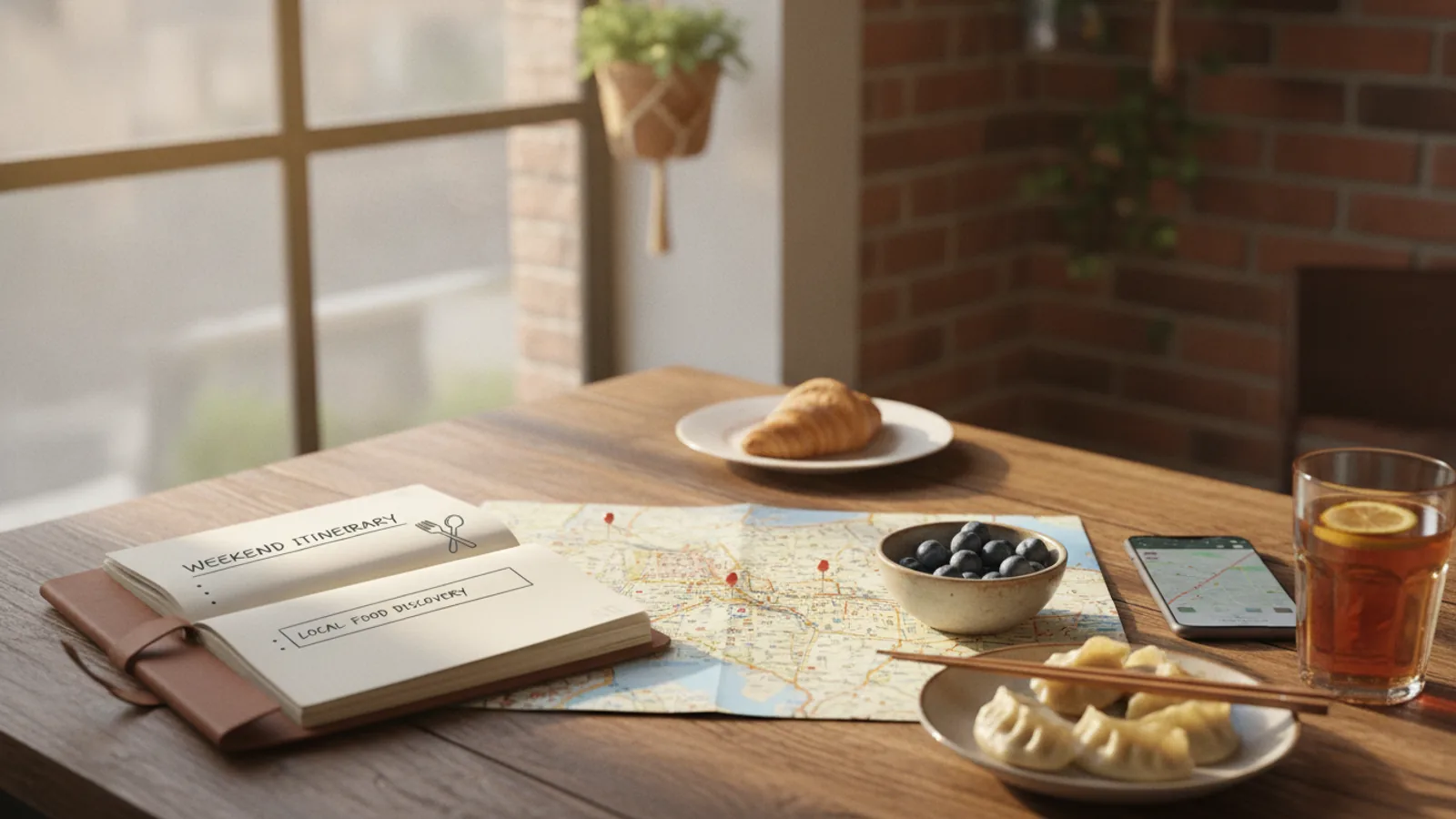
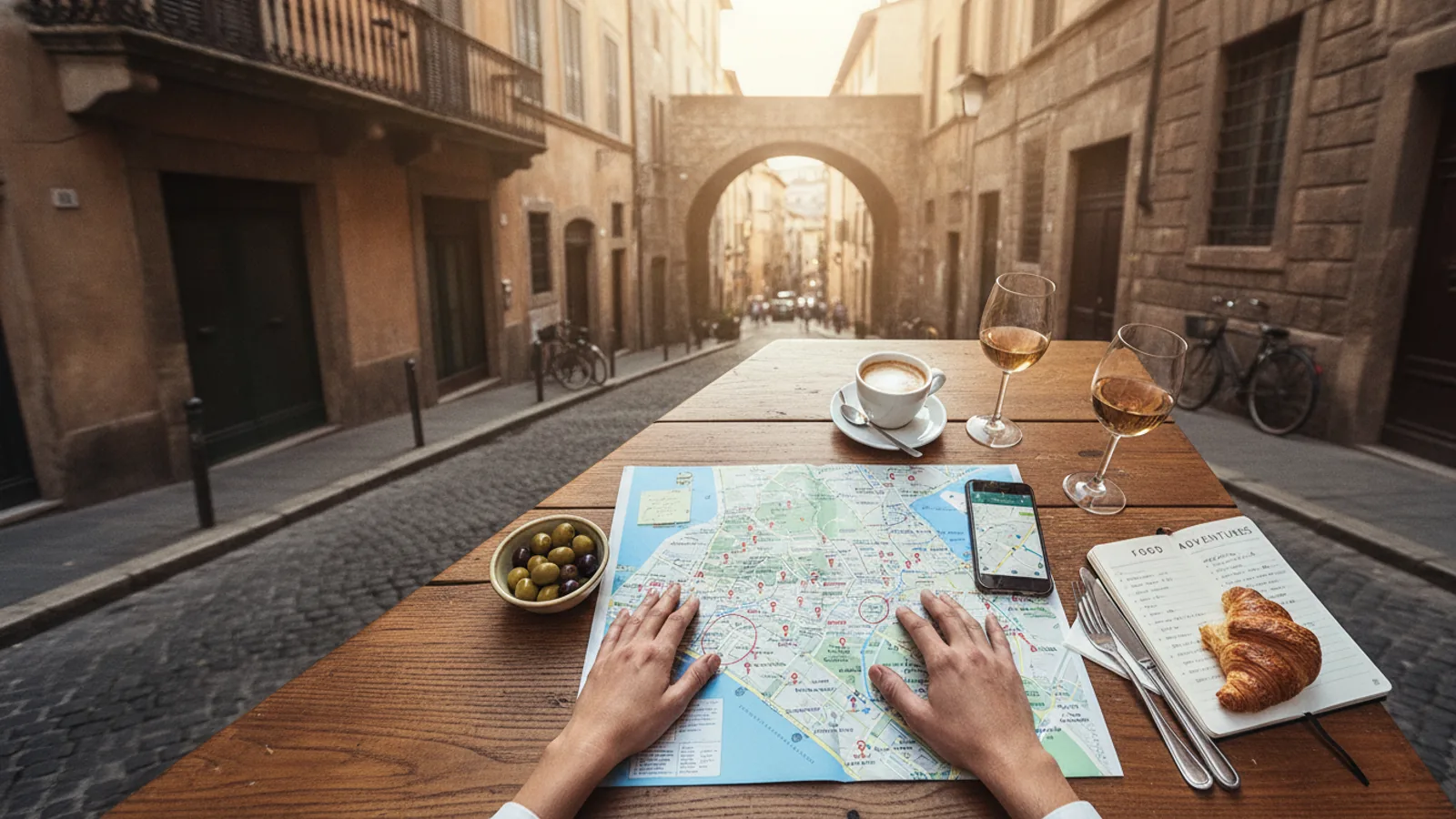
- Use a mapping app to mark food stops (markets, bakeries, trattorias) and plan walking loops that link them, avoiding backtracking.
- Pack comfortable shoes with good arch support, because you'll likely walk 6–8 miles a day; test them before leaving.
Step-by-Step Instructions
Choose your walkable food city and base neighborhood
Start by picking a European city known for both its food and its compact center. Look for one where the main sights and food districts are within a mile or two of each other, like Porto, San Sebastián, or Prague. Once you have a shortlist, check a pedestrian map and identify neighborhoods that host a daily market, a cluster of family-run eateries, and a few pastry shops. Then book a room in or next to that area, ideally within a 10-minute walk from the market square. This becomes your culinary home base: you can return for rest, a mid-day snack, or to drop off purchases. A good check is to visualize your first morning: you step out and immediately pass a bakery, a butcher, and a fruit stand. If not, your base is too far from the action. This matters because a walkable food weekend relies on proximity to keep your energy high and make spontaneous food detours easy.
Map a walking route that links food landmarks
The second step is to create a daily walking plan that chains together your food stops. Look at a city map and trace a loop that starts at your accommodation, leads to a morning market, then proceeds to a famous lunch spot, an afternoon pastry café, and finally an evening dinner street. Aim for a total of 2 to 4 miles per day, but break it into segments of 10-15 minutes of walking between eating opportunities. For example, you might start at a market, eat a small pastry, walk 20 minutes to a square, have a leisurely lunch, then wander to a quieter residential area for gelato. As you map, note the closing times of markets and restaurants, because many European food places close in the afternoon. A practical check is to look at the opening hours for the market and the lunch spot to ensure they align with your walk. This matters because timing prevents disappointment and that hanger that kills a good food day.
Structure your meals around the local food rhythm
To eat like a local, adopt the city's meal times: a light breakfast, a full lunch (around 1:30 to 3 p.m.), and a late dinner (8:30 to 10 p.m.). This schedule lets you avoid peak crowds at restaurants and markets, and it matches when kitchens operate. Plan each day around three anchors: breakfast at a bakery or café, lunch at a sit-down spot that locals favor, and dinner at a neighborhood trattoria or tapas bar. For breakfast, keep it small—a pastry and coffee—so you have room for a mid-morning taste at a market. Before lunch, you might sample a local specialty from a street vendor or deli. For dinner, they often serve the most elaborate meals, so keep lunch moderate. A practical check is to list the three meal anchors each morning and make a reservation for dinner only, leaving lunch flexible. This matters because many food-first places need reservations, but lunch openings are easier to walk into, so you keep spontaneity.
Balance walking with digestion and energy
Eating heavy meals while walking all day requires smart pacing. After a big lunch, plan a gentle stroll through a park or along a river, not a steep climb. Use a map to identify flat, scenic routes that help you digest without stress. Also, time your walks to avoid the hottest part of the day, especially in southern cities. For example, after a large lunch, walk 10 minutes to a square, sit and people-watch for 30 minutes, then continue to a museum or shop. You should also carry a light snack, like a piece of fruit or a small bread roll, to keep blood sugar steady between meals. A practical check is to rate your energy on a scale of 1 to 10 after every meal; if you feel sleepy, shorten the next walking segment. This matters because fatigue can make you skip a planned food experience or make poor choices.
Integrate spontaneous food discoveries into your plan
The goal is to have a plan but also leave room for the unexpected. Reserve 30% of your day free from any set meal or route. How? When you walk, look for a line of locals outside a shop or a display of fresh-made pasta in a window. Follow your curiosity. For instance, you might stumble upon a small food festival in a square or a market that wasn't in your guide. To do this, keep your digital map open, but don't follow it rigidly. If you see a bakery that smells inviting, stop. A practical check is to ask yourself: 'Have I eaten more than three meals? If not, this stop is fine.' This matters because the best memories often come from unplanned bites, and a strict checklist can blind you to local gems.
Wrap up your day with a reflective food journal
At the end of each day, take 15 minutes to write down what you ate, where, and how much you enjoyed it, including prices you paid (in your own currency) and the names of places. This helps you notice patterns: maybe you loved street food more than fancy restaurants, or you enjoyed a certain ingredient. Use these notes to adjust the next day's plan. For example, if you found a morning market that had the best strawberries, you might buy extra to enjoy later. Also, record the walking times between stops, so you know if you overestimated distances. A practical check is to look at your journal the next morning before you head out. This matters because food is more than just taste—it's about context and happiness, and reflecting deepens your appreciation and guides better choices.
Quick Reference
| Situation | Action | Why it helps |
|---|---|---|
| You arrive on Saturday and have no reservations. | Immediately take a map and mark all restaurants that are open for lunch; then book the dinner at a popular spot via a phone call or online booking, and for lunch just show up at a traditional place outside the tourist core. | Popular dinners fill up, but lunch spots often take walk-ins, and you can still enjoy a local meal without prior planning. |
| You get tired after a big lunch and dread a long walk. | Find a nearby park or square with benches; sit for 20 minutes, sip water or a digestif like an espresso, then split your walk into two short legs with a stop at a bookstore or gelateria. | Resting and splitting the route preserves energy, so you can enjoy more food later without hitting a wall. |
| A market stall is closing at 2 p.m., but you want to sample the cheese. | Go there first thing in the morning, even if it means skipping your planned breakfast, and buy a variety to share; then eat a light brunch later. | Markets often sell fresh goods only in the morning, and prioritizing them ensures you get the authentic local taste before they shut. |
Common Issues
- You end up at a tourist trap with bland food and high prices.: Check if the menu lists the dish in the local language, and look for tables of locals, not tourists; aim for a place with a short menu and a chalkboard special, and ask your host for their own favorite.
- You eat too much at lunch and feel sluggish for the rest of the day.: Share a main dish as a starter, or ask for a half portion; more importantly, plan a slow walk after lunch and avoid heavy, fried foods; include a pause at a park to stretch.
- You can't find a restaurant open in the mid-afternoon (3–6 p.m.).: Check opening hours beforehand and aim for a late lunch (1:30–3 p.m.) or early dinner (7:30–8 p.m.); keep snacks like bread or cured meat in your bag to tide you over.
Advanced Tips
- Take a cooking class on Sunday morning to learn how to make a regional dish, and then use that knowledge to buy the exact ingredients from the market for a picnic lunch.
- In cities like Barcelona or Venice, use the narrow alleys to discover hidden courtyards with local cafés; these often serve off-menu items not listed in English.
- Consider a walking food tour led by a local on your first day to orient yourself, get insider recommendations, and avoid tourist traps.
Final Checklist
- Choose a walkable city with a strong food reputation and verify its compactness with a pedestrian map.
- Book a room near a market or food street to minimize unnecessary walking and allow spontaneous bites.
- Create a flexible daily plan with two main meals and a light breakfast, leaving gaps for discovery.
- Pack comfortable shoes, a refillable water bottle, and a small diary to record your food adventures.
FAQ
How far will I walk in a day?
On a food-first weekend, you might walk between 4 to 8 miles (6 to 12 kilometers) depending on the city's size and your route. That's about 2 to 3 hours of walking spread across the day, but you'll break it into segments of 15-20 minutes between meals. To keep it enjoyable, wear supportive shoes and plan rest stops at parks or cafés.
Should I book restaurants in advance?
Yes, for dinner at popular spots, especially on weekends, it's wise to book a few days ahead. Lunch is usually easier to get without a reservation, but check if the restaurant has a line. If you want a specific famous place, book via its website or phone. For flexibility, you can keep dinners flexible but have a backup list.
What if I have dietary restrictions?
In most European cities, restaurants are accommodating. Learn key phrases in the local language to explain your needs (e.g., 'vegetariano' or 'sin gluten'). Use a translation app to show a card describing your restriction. Also, seek out vegetarian, vegan, or gluten-free restaurants using online filters, and ask markets for alternatives.