How To Plan A Food Focused City Break In Under A Week
A practical step-by-step guide to How to plan a food-focused city break in under a week, including preparation, instructions, common issues, tips, and next steps.

How To Plan A Food Focused City Break In Under A Week
A food-focused city break works best when you treat eating as the main event, not a side activity between landmarks. This guide shows how to choose a city, map its food neighborhoods, build a flexible daily eating schedule, book only what truly needs booking, and keep energy and budget steady across a trip that fits inside one week.
Fast Answer
- Pick one city with a dense, walkable food scene, then plan each day around two anchor meals and flexible grazing in between.
- Book only the few tables that matter most, and leave most of the schedule open so you can follow local advice and your own appetite.
Before You Start
- Choose a city where food culture is central, neighborhoods are compact, and you can move between districts without long daily transfers.
- Sketch a rough daily rhythm: one main meal, one lighter meal, and room for snacks, rather than three heavy restaurant sittings.
- List any dietary needs, allergies, or foods you genuinely dislike so you can check menus and ask questions before you commit to a table.
- Set a comfortable spending plan for meals and keep a small buffer for spontaneous market buys, tastings, or a second coffee stop.
Step-by-Step Instructions
Choose a city with a walkable food core
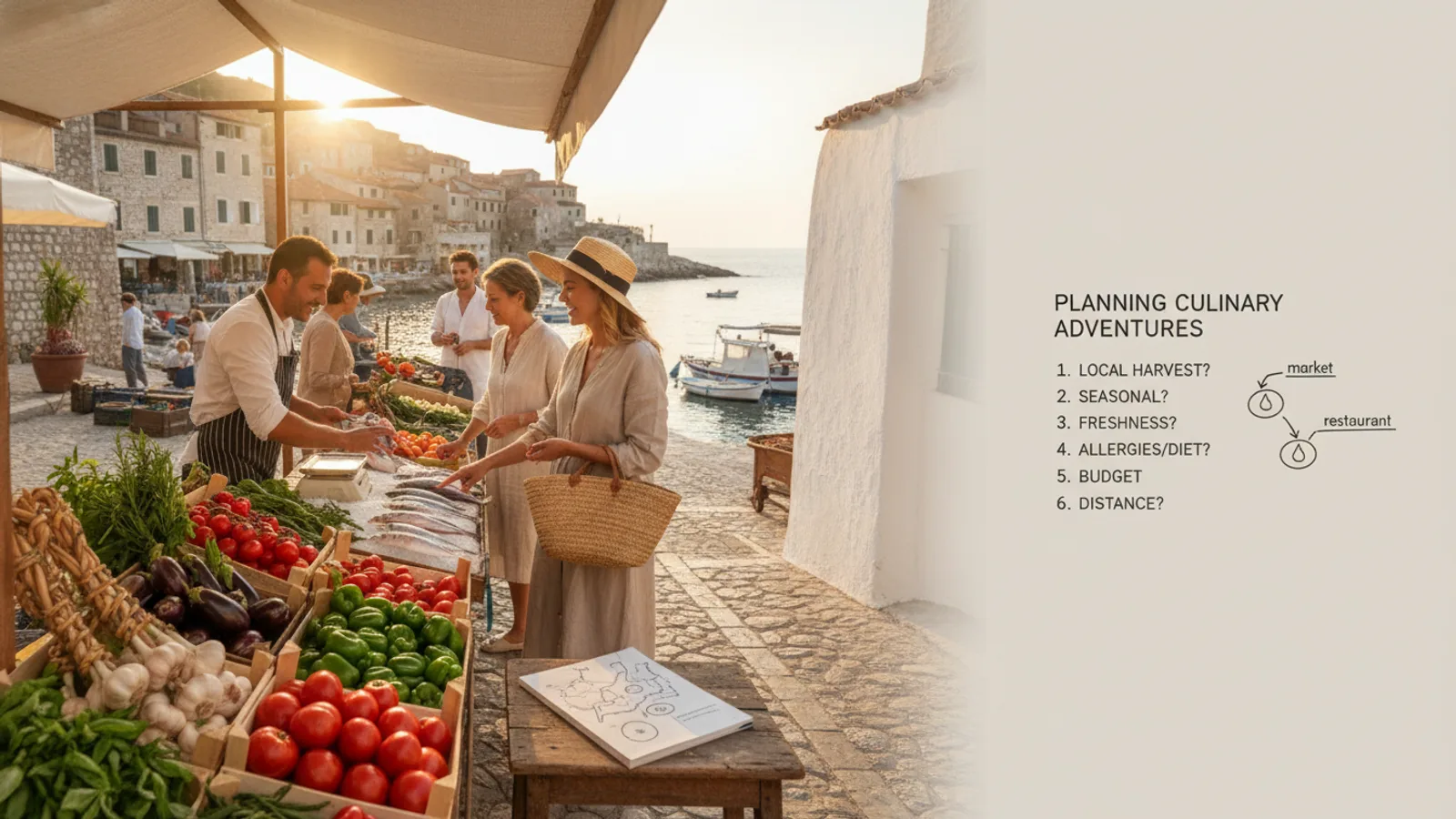
Start by choosing a city where food is part of daily life and the best eating areas sit close together. Read recent visitor accounts and local food writing, then mark on a simple map where markets, main streets, and residential districts cluster. You want a compact zone you can cross on foot in a morning, not a spread-out city that forces long rides between meals. Next, check whether those areas stay active across the days you plan to travel, since markets and small kitchens often close on specific weekdays. A practical check is to confirm that at least three distinct food areas sit within a comfortable walk or short ride of your accommodation. This matters because time lost in transit is time not spent eating, and a tight food geography lets you graze, rest, and return to a favorite stall without wasting an afternoon.
Map neighborhoods and daily food zones
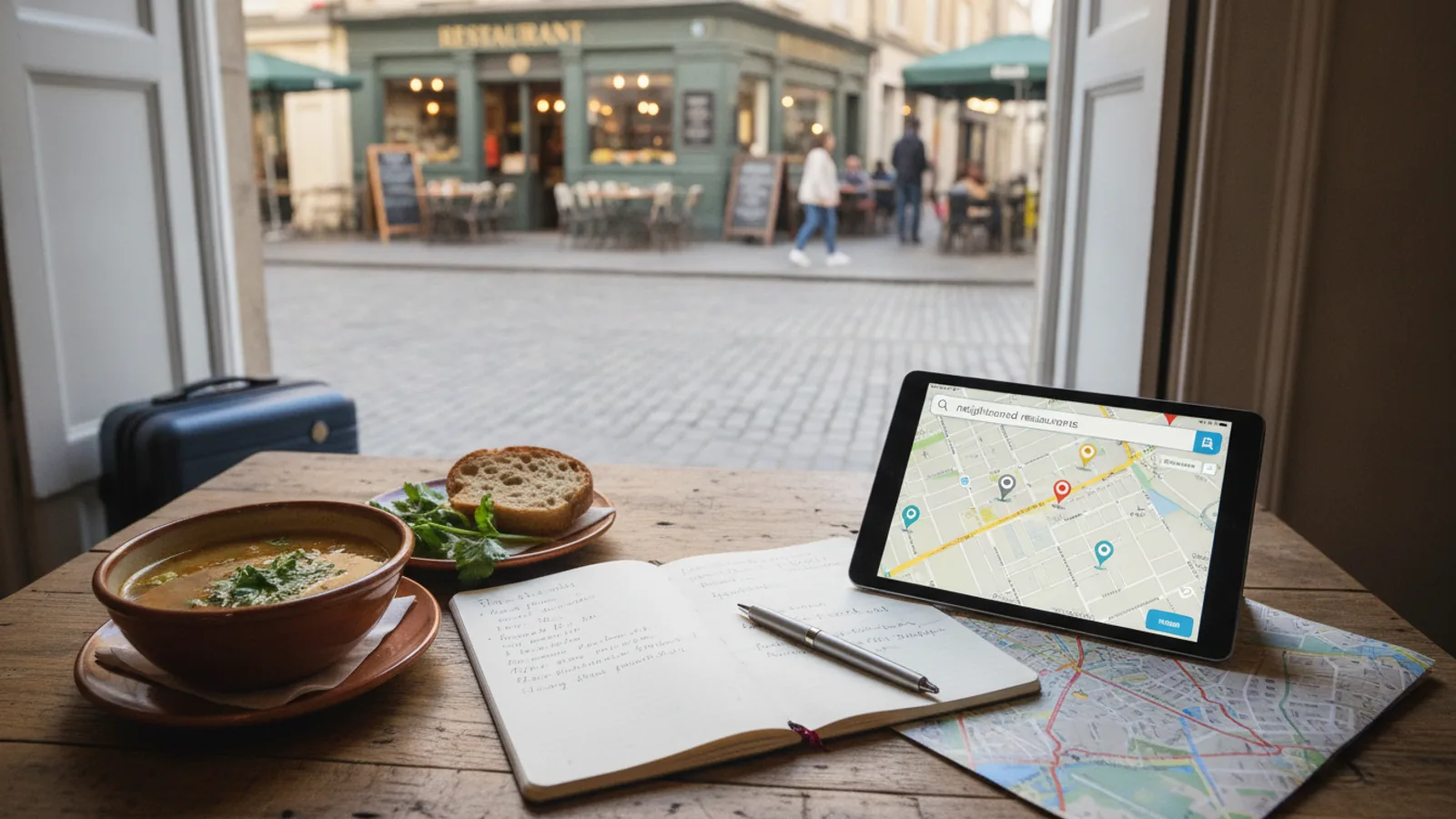
Once the city is set, divide it into food zones and give each zone a half day rather than trying to cover everything. For each zone, note one market or food street, one sit-down option, and one quick counter or bakery. Mark these on a map you can use offline, and add opening days beside each pin. Then group zones so you travel in one direction each day and avoid crossing the city twice. A practical check is to count the stops per zone and keep it to three or four, because more than that turns eating into a rushed checklist. This matters because a realistic zone plan protects your appetite and attention, and it leaves space to linger at a stall that turns out to be the highlight. Confirm opening days on official or current local listings, since schedules shift with seasons and holidays.
Build a flexible daily eating schedule
Design each day around two anchor meals and let everything else stay loose. Put the biggest meal at the time your body actually wants it, often lunch, and keep dinner lighter if you plan to snack in the evening. Leave at least one long gap for a market visit or a spontaneous stop, and avoid stacking two heavy reservations on the same day. A practical check is to write the day as a simple timeline and confirm there are at least three free hours between anchor meals. This matters because digestion and walking both take energy, and a crowded schedule makes good food feel like a chore. Check each chosen spot's current hours and whether it takes reservations, since small kitchens may open only for a short window. Keep one meal slot empty every day as recovery space.
Book only the tables that truly matter
Reserve only the meals you would genuinely regret missing, usually one or two across the whole trip. For everything else, rely on walk-ins, counters, and market stalls that do not need planning. When you do book, confirm the day, time, party size, and any deposit or cancellation condition in writing, and save that confirmation somewhere you can open without a signal. A practical check is to ask whether the kitchen can handle your dietary needs before you commit, and to note the cancellation window so a change of plan does not cost you. This matters because a rigid reservation list removes the freedom that makes a food break enjoyable, while a couple of firm bookings protect the experiences you care about most. Keep the rest of your days open and let local recommendations guide you.
Plan movement, rest, and hydration
Food travel is physical, so plan how you will move and when you will rest. Group stops by walking distance, note public transport options for longer hops, and build in a mid-afternoon pause at your accommodation or a quiet cafe. Carry water and drink it between meals rather than only with food, especially in warm weather or on market days. A practical check is to confirm your route each morning and identify one place to sit down if you feel full or tired. This matters because exhaustion flattens your sense of taste and makes you choose the nearest option instead of the better one. Check local transport payment methods and operating hours in advance, since these vary by city and day. A rested eater notices more and enjoys more.
Review, adjust, and travel light
Before departure, review your plan and cut anything that creates pressure. Read your daily timeline aloud and remove one stop from any day that looks crowded. Pack loose, comfortable clothing, a small bag for market purchases, and a way to keep notes about dishes you loved. A practical check is to confirm every booked meal still fits your route and that each day has a clear first stop and a clear backup. This matters because a final review catches clashes, long transfers, and overbooking while you can still change them. Check current opening information and any reservation terms once more close to your travel date, because small kitchens and markets adjust hours often. Then travel with a light plan and a heavy appetite.
Quick Reference
| Situation | Action | Why it helps |
|---|---|---|
| A booked restaurant is far from your other plans that day. | Check travel time first, then either move the booking to a day when you are already nearby or cancel within the allowed window and replace it with a walk-in option in your current zone. | Long transfers drain energy and cut eating time, and a nearby alternative usually delivers a better meal than a rushed cross-city trip. |
| A market or small kitchen is closed on the day you planned to visit. | Switch to the backup stop you pinned in the same zone, and use the freed time to explore that district's side streets for other open food spots. | Having a pre-chosen backup keeps a closed door from derailing the day and often leads to a quieter, more local meal. |
| You feel overfull and no longer want the next planned meal. | Skip or shrink the next sitting, drink water, take a walk, and move the meal to a later day if the booking allows it. | Eating past comfort ruins the rest of the day, while a short pause restores appetite and lets you enjoy the food you actually came for. |
Common Issues
- You booked too many fixed meals and the days feel rushed.: Cancel the least important reservations within their allowed windows, then rebuild each day around two anchor meals and leave the rest open for markets, counters, and spontaneous stops.
- You keep choosing places near your accommodation instead of exploring.: Assign one food zone per day and travel there first, then eat your way back toward your base so new districts get genuine time rather than a quick pass.
- Stomach trouble or fatigue is flattening your appetite.: Slow the pace, drink water between meals, choose lighter dishes for a day, and add a proper rest break so your body can recover before the next big meal.
Advanced Tips
- Eat your main meal when local residents do, since kitchens often cook best and serve freshest during their busiest traditional hours.
- Ask people who live there, such as market vendors or cafe staff, for one nearby recommendation rather than a famous destination.
- Visit one market early and one late, because the same stalls can offer different food and a different atmosphere at each end of the day.
Final Checklist
- One city chosen with a compact, walkable food core and at least three distinct eating zones.
- A daily timeline with two anchor meals, open grazing time, and a backup stop in each zone.
- Only essential tables booked, with confirmation details and cancellation terms saved offline.
- Dietary needs noted, water and rest planned, and every opening day checked close to departure.
FAQ
How many meals should I book in advance?
Book only the one or two meals you would truly regret missing, and leave the rest of your trip open. Most food-focused days work better with walk-ins, counters, and market stalls, because they let you follow local advice and your own appetite without fighting a fixed schedule.
What if I cannot decide which city to visit?
Compare two or three cities on a single question: can you walk between several distinct food areas in one day? Choose the one with the tightest food geography and the liveliest everyday eating culture, then save the others for future trips rather than splitting this short break across two places.
How do I avoid wasting a day on a closed market?
Check current opening days directly before you travel, then pin a backup food stop in the same zone. If the main market is closed, move to the backup and use the freed hours to explore nearby side streets, which often hide small kitchens that never appear in planning guides.