How To Plan A Rainy Day Food Itinerary In A Walkable City
A practical step-by-step guide to how to plan a rainy-day food itinerary in a walkable city, including preparation, instructions, common issues, tips, and next steps.

How To Plan A Rainy Day Food Itinerary In A Walkable City
A rainy-day food itinerary in a walkable city turns a gloomy forecast into a cozy, delicious adventure. By choosing indoor venues, planning efficient routes, and staying flexible, you can enjoy local flavors without getting drenched. This guide helps you map out a day of culinary exploration that keeps you dry, comfortable, and satisfied—whether you're a visitor or a local looking for new spots.
Fast Answer
- Pick a few indoor food stops (cafés, bakeries, food halls) that are within a 15-minute walk of each other, and check their hours before you go so you don't end up outside in the rain.
- Bring a compact umbrella and waterproof shoes, then plan your route using covered walkways and indoor passages when possible to minimize time spent in the downpour.
Before You Start
- Search for 'indoor food markets', 'food halls', and 'cafés with seating' in your city, and note which ones are open in the morning, afternoon, and evening to build a timeline.
- Check the weather forecast and rain intensity for the day so you know if you need waterproof jackets, extra layers, or just an umbrella.
- Map out a walking route that connects your chosen spots, using covered arcades, underground malls, or museum cafés as backup shelter if the rain gets heavier.
- Tell a friend or family member your planned itinerary and expected check-in times, so someone knows your whereabouts even if you change plans due to weather.
Step-by-Step Instructions
Choose Your Rainy-Day Food Venues
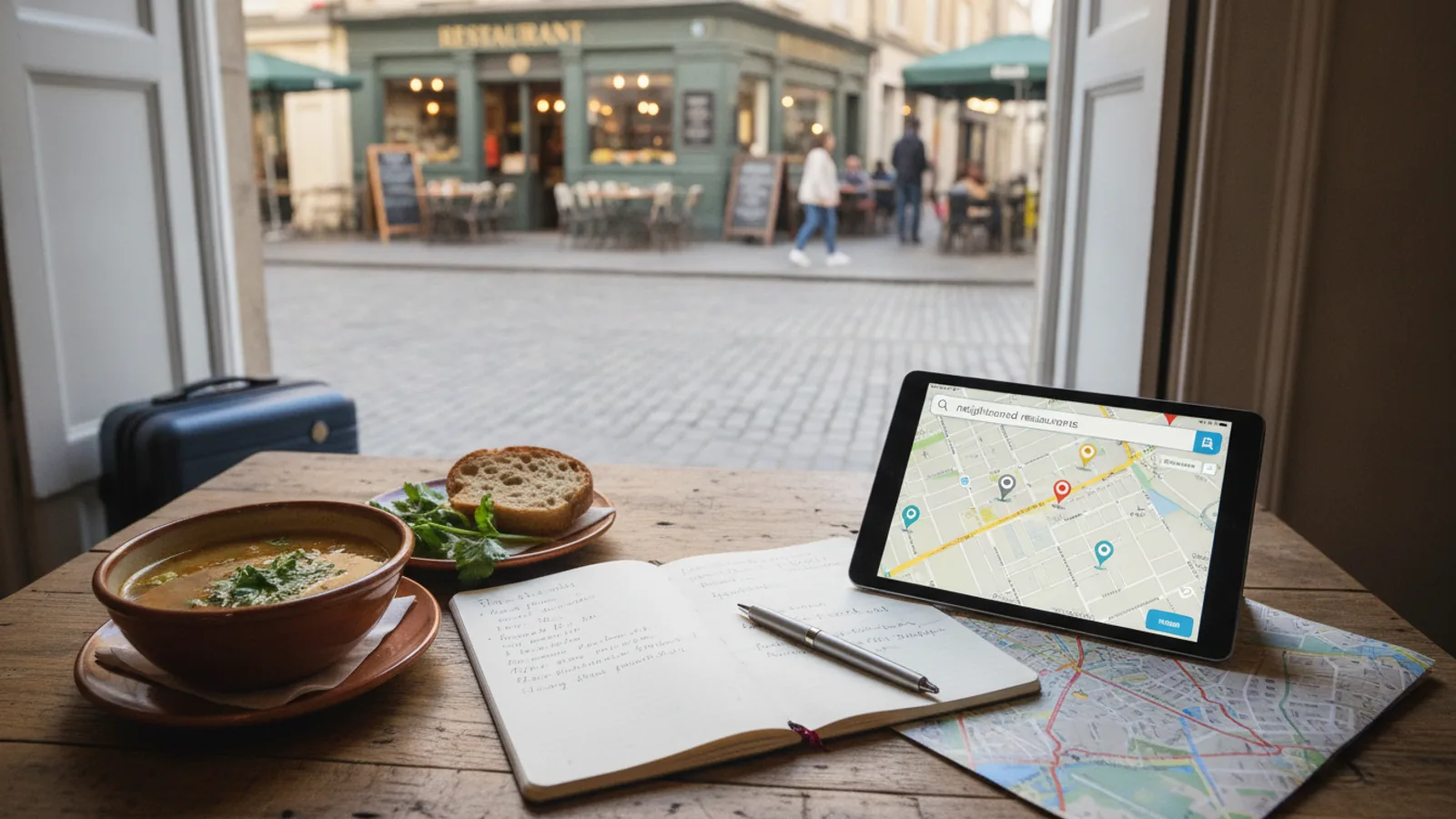
Start by listing indoor food destinations that are worth visiting in the rain: food halls with diverse vendors, cozy bakeries, historic cafés, or restaurants with large windows. Use a map app to mark each place, and filter for 'indoor seating' if the option exists. For each spot, note the opening hours and peak busy times—rain often pushes people inside, so mornings can be quieter than lunch. Aim for 4 to 6 stops spread over breakfast, a mid-morning snack, lunch, and an afternoon treat. This gives you a natural rhythm and prevents you from getting too full or too tired. Before finalizing, verify that each location is within a comfortable walking distance, preferably under 15 minutes from the next, so you never spend too long outside. If you're unfamiliar with the neighborhood, read recent reviews to confirm that the venue is actually open and welcomes walk-ins. This planning step sets the foundation for a relaxed day, so take the time to shortlist at least two backup options for each mealtime in case the first choice is closed or has a long line.
Plan a Covered Walking Route
Open a digital map and plot your chosen food stops in the order you'll visit them. Look for walking paths that pass through covered arcades, indoor shopping centers, underground passages, or streets with many awnings. If your city has a historic covered market or a skyway system, weave that into your route. For each leg of the journey, estimate the time you'll spend outdoors—aim for less than 10 minutes between stops. Use the map's 'avoid highways' and 'prefer walking' settings to see the most direct pedestrian route. If possible, walk on the side of the street with more shelters, like buildings with recessed doorways or bus stops, to stay drier. As you plan, note any weatherproof shortcuts, like a museum with a café that you can cut through (if entry is free or you're already visiting). Also, identify one indoor 'pause point'—a bookstore, hotel lobby, or transit station with seating—where you can rest if the rain intensifies. By mapping this way, you'll reduce the risk of getting soaked and increase the chances of enjoying your day.
Pack Smart for Wet Weather
Layer your clothing: a water-resistant outer shell, a warm mid-layer, and a moisture-wicking base. Wear waterproof shoes with good grip, because wet pavement can be slippery. Bring a compact umbrella, and if you have one, a rain hat or hooded jacket. For your gear, use a waterproof backpack or a dry bag to protect your phone, wallet, and any purchases. Pack a reusable water bottle to stay hydrated, and carry small snacks like nuts or dried fruit in case you get hungry between stops. A portable power bank is a good idea if you rely on your phone for navigation. Also, bring a small towel or handkerchief to dry off your hands and face when you enter a venue. When you step inside, shake off your umbrella before closing it, and use the entrance mat to wipe your shoes. This practical preparation keeps you comfortable and prevents you from feeling miserable between food stops, so you can focus on the taste rather than the weather.
Set a Flexible Timeline with Buffer Time
Draft a loose schedule for your day: breakfast at 8:30, a mid-morning coffee at 10:30, lunch at noon, and an afternoon pastry at 2:30. Between each stop, block out at least 30 extra minutes for travel, unexpected delays, or simply lingering in a warm café. Rain can slow walking and cause lines at popular spots, so build in 15-minute buffers. For each venue, decide how long you want to stay—maybe 45 minutes for a sit-down meal, 30 for a food hall, or 15 for a quick pastry pickup. This structure gives you freedom to explore without feeling rushed. If a place is packed or closed, you'll have time to pivot to a backup without wrecking the whole day. Remember that your plan is a guide, not a strict rulebook: if you're loving a particular café, stay longer and skip the next spot. Use a simple notes app to track where you are and what's next, so you can adjust easily. This balance of structure and flexibility is key to a successful rainy-day food crawl.
Make Smart Choices at Each Venue
When you arrive at a food stop, first check for a place to sit—if it's crowded, be flexible and consider taking your food to go, then eating under a covered area nearby. Order items that travel well and are less messy: for example, choose a filled pastry over a runny sandwich, or a warm bowl of soup if you're dining in. If you're planning to walk with your food, ask for extra napkins and a sturdy bag. At a food hall, explore the stalls before committing—look for dishes that are popular or that have a line, as that often indicates freshness. If you're trying something new, order a small portion first to see if you like it. Also, be mindful of your budget and appétit: you don't need to eat at every venue, and it's okay to share a dish with a companion. The goal is to taste a variety of local flavors, not to stuff yourself. By making thoughtful choices, you ensure that each stop is enjoyable and that you leave with enough appetite for the next one.
Adjust and Enjoy the Day
Throughout the day, keep an eye on the weather and your energy levels. If the rain is heavier than expected, use your backup plan: find a covered passage or a nearby museum with a café. If you're tired, trim the list and spend more time at the current spot, ordering another drink or dessert. If a venue is closed or too crowded, check your map for the nearest alternative. The real success of a rainy-day food itinerary is not in sticking to the plan but in having a good time with delicious food—and staying dry. As you walk, take note of atmospheric details: the sound of rain on awnings, the steam from cups, the warm light in storefronts. Share your experience with friends or online if you like, but avoid oversharing your location until you're done. At the end of the day, reflect on what you tried and what you'd revisit. This mindful approach turns a weather setback into a memorable culinary journey.
Quick Reference
| Situation | Action | Why it helps |
|---|---|---|
| You're about to walk 12 minutes to the next food stop, and the rain is getting heavier. | Use your map to find a covered walkway or an indoor mall; if none are nearby, duck into the nearest café or store and wait out the downpour for 10 minutes. | Minimizing time in heavy rain keeps you comfortable and prevents your clothes from getting soaked, which can ruin the rest of the day. |
| You arrive at your planned lunch spot and find a 30-minute line. | Take out your list of backup venues and choose one that's less crowded, or check if the current place offers takeout—then eat under a covered area. | Waiting long in a line can waste time and energy, and you might end up hangrier and colder than necessary. |
| A sudden storm hits while you're between stops, and you're not near any covered walkways. | Step into the nearest building you can enter (a shop, bank, or public library) and wait for the rain to ease; check the radar to see how long it will last. | Staying safe and dry is the priority; entering a public building is a quick, effective way to shelter without asking for permission. |
Common Issues
- You arrive at a venue and it's closed for a private event or unexpected closure.: Immediately access the backup list you prepared earlier; pull up the map on your phone and navigate to the nearest alternative venue that fits the same meal type and is open, then inform your group about the change.
- Your shoes are soaked after walking through a puddle, making you feel uncomfortable.: Carry a small waterproof shoe cover or pack extra socks in a dry bag; if issues persist, find a restroom or café to change into dry socks, and consider limiting outdoor walks for the rest of the day.
- The food hall you planned to visit is packed with school groups and no seats.: Look for a stand that offers fast service and take your order to a nearby indoor park or covered seating area; alternatively, order a snack that you can eat while standing at a high table, and save your main meal for a quieter venue.
Advanced Tips
- Use weather-proofing on your phone's map by downloading the area offline so you can navigate even if rain disrupts mobile data, and keep the phone in a zipped pocket when not in use.
- If your city has a transit system with underground stations, use them as dry corridors to connect distant food spots—even if you take a short ride instead of walking in the rain.
- Look for food venues that offer 'tasting flights' or 'sample platters'—they let you try multiple dishes without committing to a full portion, which is perfect for a multi-stop itinerary.
Final Checklist
- Check the forecast for the day and confirm that all your chosen venues are open during your planned hours.
- Pack a compact umbrella, waterproof jacket, dry socks, and a phone waterproof pouch.
- Map out your walking route with covered shortcuts, and save a backup venue for each meal.
- Set a flexible timeline with buffer time, and share your itinerary with a friend for safety.
FAQ
What should I do if it's raining sideways and I can't walk between stops?
If the rain is extreme, shorten your itinerary to just two or three nearby spots, and use transit (like a bus or metro) that has a covered stop to minimize exposure. Always carry a compact umbrella and waterproof jacket, and consider taking a short ride if walking becomes uncomfortable.
How do I know if a food hall or café has indoor seating that's comfortable for staying dry?
Before you go, use a map service and read recent reviews to see photos and descriptions of the interior. Look for terms like 'cozy,' 'indoor seating,' or 'café with multiple rooms.' Also, check the venue's website or social media for images. When you arrive, you can step inside and assess the seating before ordering.
Can I still have a good time if my plan fails and I end up somewhere I didn't intend?
Absolutely. Treat the itinerary as a flexible suggestion, not a strict plan. If you end up in an unexpected neighborhood, ask locals for their favorite spot, or look for a busy café and try a house specialty. The goal is to enjoy the experience—rain and all—so keep an open mind and savor the unexpected discoveries.