How To Plan A Relaxed Food Route Through A Historic City Centre
A practical step-by-step guide to how to plan a relaxed food route through a historic city centre, including preparation, instructions, common issues, tips, and next steps.
How To Plan A Relaxed Food Route Through A Historic City Centre
Planning a relaxed food route through a historic city centre is about blending local flavours with unhurried exploration. This guide helps you create a flexible itinerary that focuses on quality, authenticity, and comfort. You'll learn to research neighbourhoods, pace your meals, and choose stops that let you savour both food and history without rushing.
Fast Answer
- Start by listing five to seven historic districts, then pick one meal per area based on local specialities, and walk between stops at a leisurely pace.
- Book or reserve at least your main lunch spot days ahead, but leave breakfast and snacks flexible so you can follow your nose and local recommendations.
Before You Start
- Study the city's old town map and note key monuments, squares, and narrow lanes where food vendors cluster, so you can connect them in a loop.
- Check local food blogs or community boards for dishes that are unique to that city, and jot down three to five must-try items to guide your route.
- Decide your meal rhythm: plan for a main lunch, a light afternoon snack, and a leisurely dinner, allowing two to three hours between each.
- Make a shortlist of eateries that are within a ten-minute walk of a historic site, and verify their opening hours and rest days from official sites.
Step-by-Step Instructions
Map your historic food landmarks
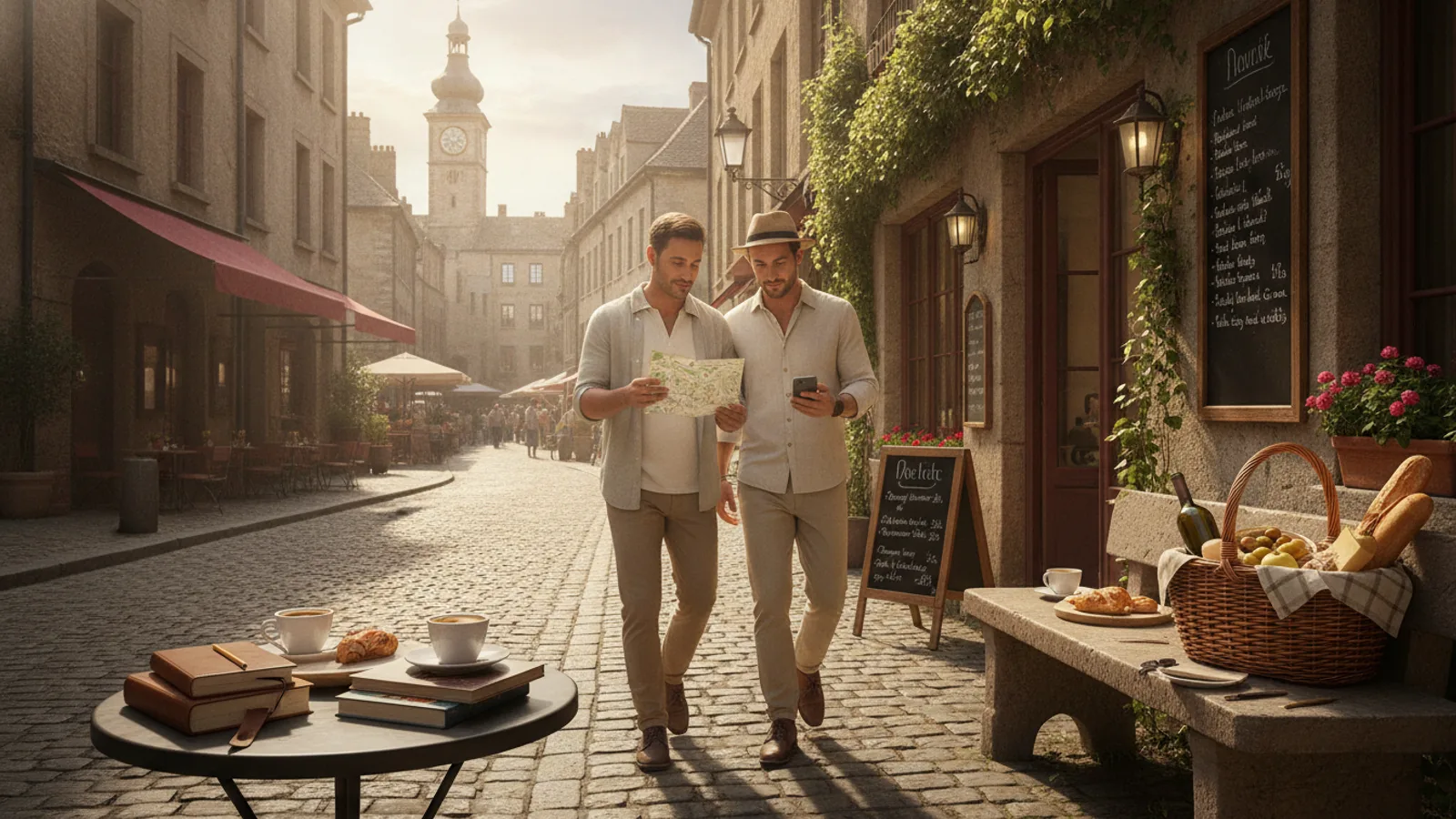
Start by opening a detailed map of the city centre and marking the major historic sites, such as cathedrals, town halls, and old market squares. Next, note the main pedestrian streets and any public squares where vendors often set up. Draw a rough loop that connects these points in a circle, because a circular route avoids backtracking and lets you see more. As you walk, keep an eye on your phone's map (if you have one) to stay oriented, but also trust the feel of the streets. A practical check: before you leave, compare your loop on paper or screen with the actual streets to ensure you have not linked two distant spots that look close on a map. This matters because historic centres are full of narrow alleys and dead ends, so a well-planned loop saves your energy for tasting rather than getting lost.
Pick a signature dish per district
For each historic district you plan to visit, choose one dish or drink that the area is known for. For example, a bakery district might feature a special bread, while a riverside area might have smoked fish. Write these down in order of your route, so you know what to look for at each stop. When you arrive at a district, ask a local shopkeeper or a waiter what they consider the classic version of that dish, and be open to their suggestion. A practical check: before you sit down, glance at the menu or display case to see if the item is genuinely local, not a generic tourist version. If the dish is not available, skip it rather than settle for a bland substitute. This matters because tasting the true local speciality is the heart of a relaxed food route, and forcing a substitute can leave you disappointed and full of something you did not want.
Set a gentle meal schedule
Plan your meals around a relaxed pace: aim for a mid-morning snack, a proper lunch between noon and 2 pm, and a light dinner around 7 or 8 pm. This gives you time to digest and explore between bites. Decide which meal is your main food experience of the day—often lunch is the best because it is unhurried and you can still walk after. For that meal, consider making a reservation a few days in advance if the place allows it. For other stops, keep it spontaneous. A practical check: before you leave each stop, glance at your watch and estimate how long it takes to walk to the next sight. This matters because a too-tight schedule makes you rush and miss the relaxed atmosphere, while a too-loose schedule might mean you hit a restaurant exactly at closing time.
Walk, don't dart, between stops
When you leave one food stop, resist the urge to hurry to the next. Instead, walk slowly and let the streets guide you. Take side alleys that look interesting, pause to read plaques, and peek into courtyards. This is the relaxed way to see a historic centre. Set a simple rule: walk for at least five minutes before you check your phone or map again. A practical check: after each bite, ask yourself if you are actually hungry yet or just following a schedule. If you are not hungry, sit on a bench and watch people for a few minutes. This matters because the food route is as much about the journey as the eating; rushing between stops turns a pleasant stroll into a stressful dash, and your digestion will thank you for a steady pace.
Let locals and your senses adjust your plan
Even with a great plan, the best experiences can come from a local tip or a smell that pulls you into a tiny shop. When you see a queue of residents outside a bakery, join it. When a shopkeeper offers a taste, accept it. Keep your printed plan in your pocket—it is a guide, not a rule. A practical check: every hour, ask yourself, 'Is this still fun?' If you are tired or overwhelmed, drop the next stop and find a shady square with a drink. This matters because a relaxed food route is about your enjoyment, not completing a checklist. Forcing yourself to eat when you are full or walking too far when you are tired ruins the experience and makes you forget the lovely flavours you have already enjoyed.
End with a memorable finale and a slow return
As your route winds down, choose one last stop that feels special—perhaps a rooftop café or a quiet drink in a historic cellar. Savor it without thinking about the next step. After you finish, take a slow, meandering path back to your starting point or accommodation, using a different route than the one you came. A practical check: before you leave the final stop, make sure you know roughly which direction you need to go and have some water for the walk. This matters because a gentle finale and a calm walk home give you time to reflect on the tastes you experienced and let the day settle into a pleasant memory. Ending suddenly or rushing back can undo the relaxed mood you have built all day.
Quick Reference
| Situation | Action | Why it helps |
|---|---|---|
| You arrive at a famous food street and see a long queue at one shop and an empty one next door. | Join the queue – it likely means the food is fresh and popular. While waiting, watch what locals order and be ready to order the same. | A queue of residents is a strong signal of quality, and ordering what is popular reduces the risk of a disappointing choice. |
| You planned to eat at a specific restaurant but they are closed for a holiday or private event. | Stay calm and check your shortlist for a nearby alternative that serves the same dish or type of cuisine, and walk there. | Historic eateries close for various reasons, so having a backup prevents a wasted journey and keeps your day relaxed. |
| You feel full halfway through the route but there are still two food stops on your plan. | Skip the next snack and instead choose a lighter option like a small pastry or a herbal tea, or just move on to the next sight. | Forcing yourself to eat when full leads to discomfort and ruins your enjoyment, so adjusting your plan preserves the relaxed vibe. |
Common Issues
- The historic centre is more crowded than expected and queues are long at every food stall.: Shift your eating times to slightly earlier or later than the typical rush. Have an early lunch at 11:30 am or a late one at 2:30 pm. Also, wander a couple of streets away from the main tourist path to find similar food without the line.
- A key landmark you wanted to see is temporarily closed for restoration, blocking your planned route.: Use a map app on your phone to see nearby alternative streets or viewpoints. If you have to detour, embrace it as a chance to discover a new bakery or café. Keep your overall food stops the same but just change the walking path.
- You get tired and sore feet halfway through the day, making the thought of standing in line or walking to the next stop unpleasant.: Find a park bench or a café terrace where you can sit for at least 15 minutes, elevate your feet if possible, and drink water. After resting, decide whether to continue or cut out one non-essential stop. Prioritise your comfort over seeing every site.
Advanced Tips
- Ask a local historian or a guide for stories behind a dish—like why a certain pastry was first baked—and you'll taste with more appreciation.
- If you have dietary restrictions, email or message a few eateries a week ahead to ask about suitable dishes; this adds confidence without being rigid.
- Download offline maps of the city centre in case you lose internet; but also carry a tiny paper map as a backup, because old streets can confuse GPS.
Final Checklist
- Researched the city's historic districts and identified three to five local signature foods you want to try.
- Set a flexible meal schedule with a main lunch, afternoon snack, and light dinner, leaving gaps for exploration.
- Noted the opening hours and weekly closing days for at least two potential restaurants in each area.
- Charged your phone or packed a paper map, comfortable shoes, a water bottle, and a small amount of local cash.
FAQ
How many food stops should I plan for a one-day relaxed food route?
Aim for three to five distinct food stops across the day. That allows you to enjoy each bite without feeling rushed or overstuffed. Include a main lunch, a snack, and a dinner, and let other small tastes happen spontaneously. The goal is to savour both the food and the sights, so fewer stops with more time at each is better than trying to hit ten places.
Should I make reservations for a relaxed food route?
Reserving is wise for your main meal, especially if you know a specific restaurant is popular or small. Many historic eateries accept reservations for lunch or dinner. For morning snacks and café breaks, you usually do not need a reservation. However, check the eatery's policy, as some may have strict seating times. Having a reservation for your main meal gives you peace of mind and allows you to wander without time stress.
What if I get lost in the historic centre while walking between food stops?
Getting lost can be part of the charm, but to stay relaxed, keep a map app or paper map handy. If you lose your bearings, look for a landmark like a tall church tower or a large square and head toward it. Often, you'll stumble upon a new food stall or a beautiful courtyard. Treat it as an opportunity, and don't panic—you'll eventually find your way back to your route.