Common Mistakes When Planning A Food First Weekend In A Walkable European City
A practical step-by-step guide to common mistakes when planning a food-first weekend in a walkable European city, including preparation, instructions, common issues, tips, and next steps.
Common Mistakes When Planning A Food First Weekend In A Walkable European City
Planning a food-first weekend in a walkable European city can be a delicious adventure, but common pitfalls—like overbooking restaurants, ignoring local rhythms, or neglecting walking comfort—can turn it into a stressful blur. This guide walks you through practical steps to avoid those mistakes, from pre-trip research to flexible meal scheduling, so you can savor each bite and step without feeling rushed or missing out. By focusing on what truly matters—quality, context, and pacing—you’ll create a memorable, low-pressure food journey that fits the unique character of your chosen city.
Fast Answer
- Do not book every meal in advance; leave room for spontaneous discoveries, as the best food often comes from local recommendations and casual walk-ins.
- Respect the city's meal times and siesta hours; plan your eating schedule around local customs to avoid disappointment and rushed meals.
Before You Start
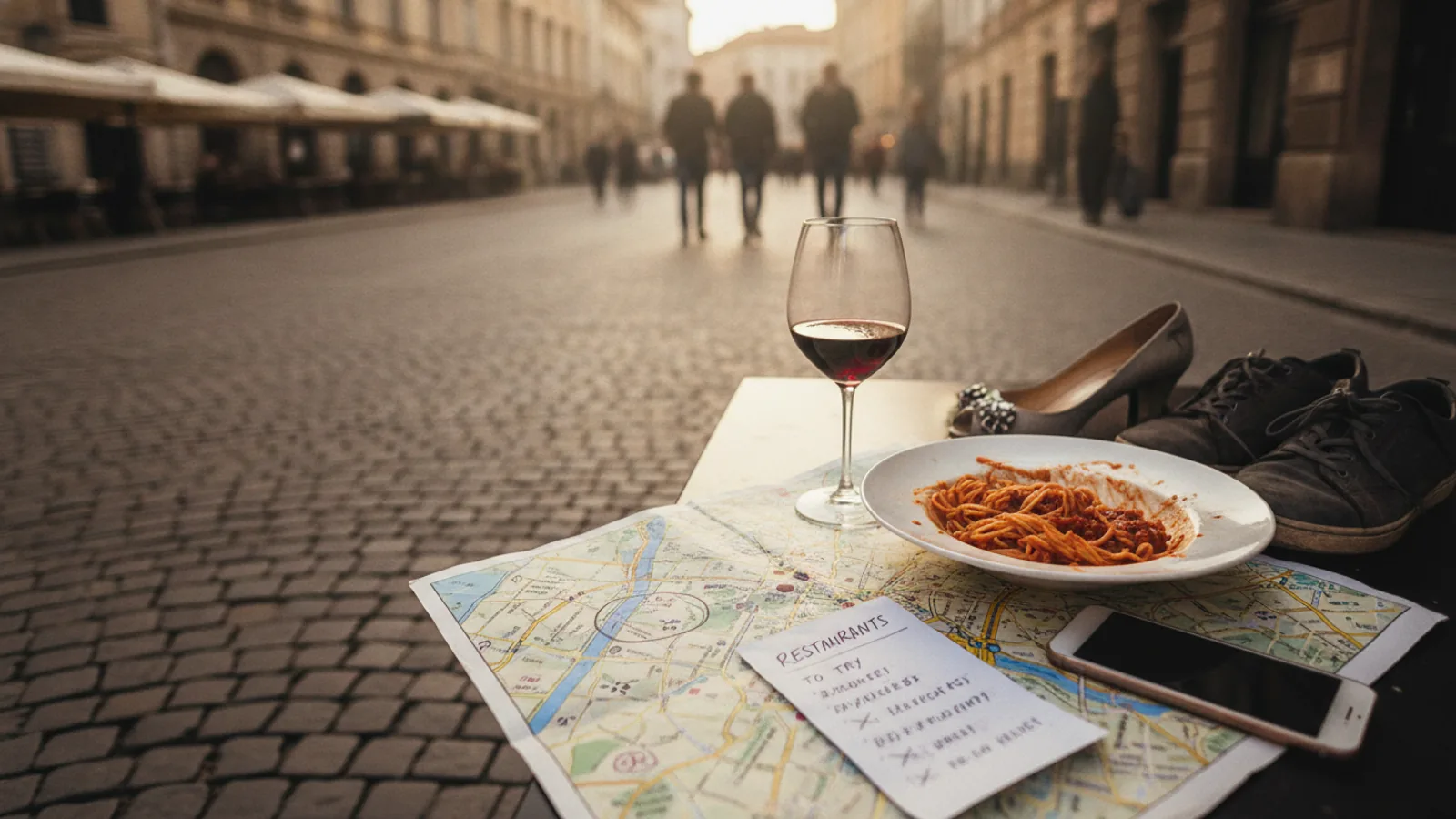
- Research the city's food neighborhoods and create a shortlist of must-try restaurants and markets, but keep your list flexible for changes.
- Check the opening days and hours of markets and popular eateries; many close on specific weekdays or have afternoon breaks.
- Map out walking routes between food stops, considering distance and elevation, and ensure they are realistic for a comfortable walking pace.
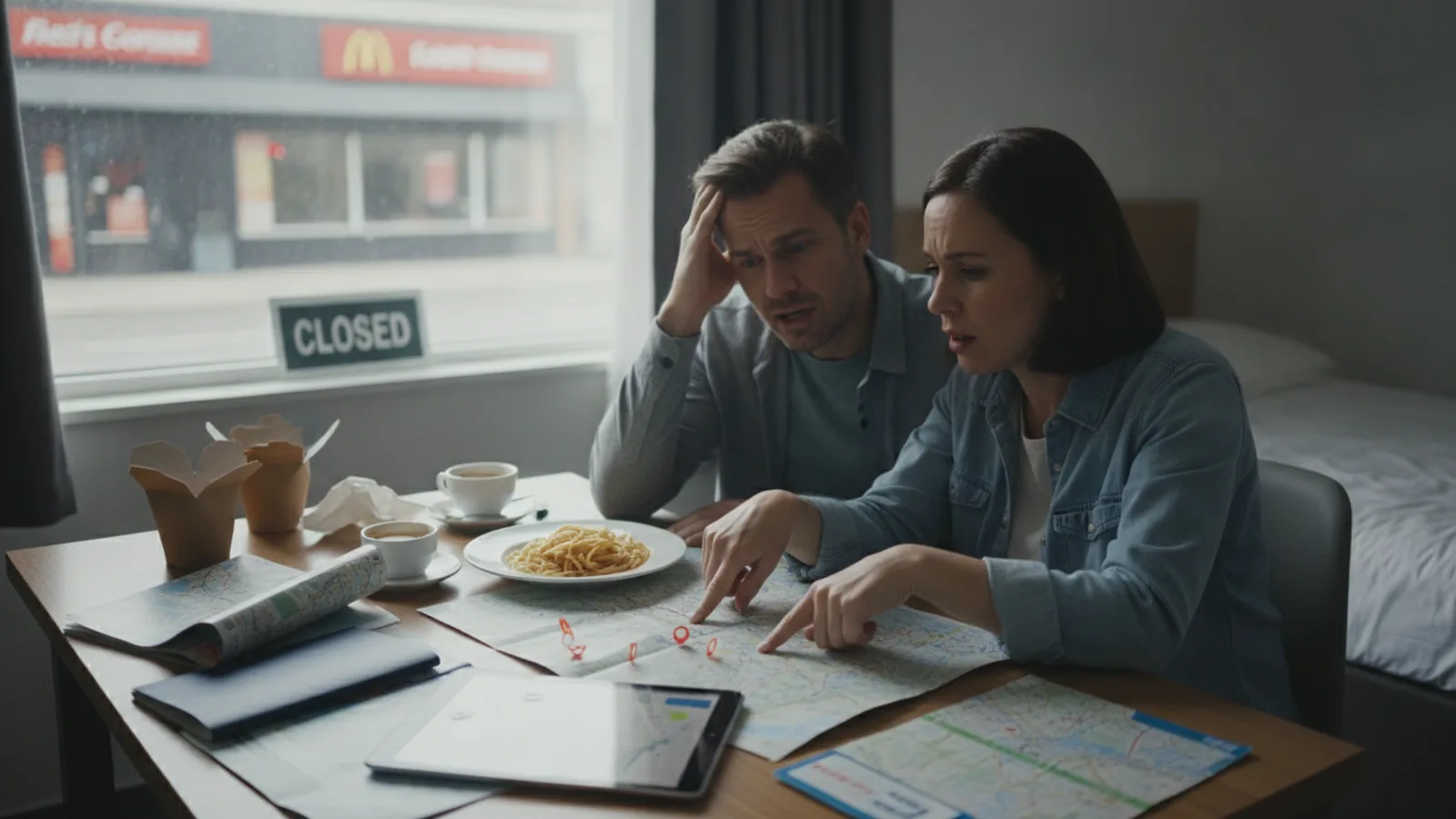
- Make a list of backup options near each primary stop, so you can pivot quickly if a place is closed, packed, or doesn't meet expectations.
Step-by-Step Instructions
Choose a Base Neighborhood with Food Density
Select a hotel or apartment in a neighborhood that is walkable to a cluster of eateries, markets, and bakeries. This minimizes the time and energy spent traveling between food experiences, allowing you to focus on tasting. Look for an area with a local market, a few well-regarded casual restaurants, and a bakery that opens early for breakfast. After booking, use a map application to draw a circle around your accommodation and list all food places within a 15-minute walk. This pre-trip exercise helps you understand your food environment and ensures you can return to your room easily after a heavy meal. It also reduces the temptation to take costlier and less charming transport. By staying in a food-dense area, you naturally increase the likelihood of serendipitous discoveries, making your weekend feel richer and more relaxed.
Create a Flexible Eating Schedule Around Local Rhythms
Once you know your neighborhood, draft a rough meal timetable that aligns with the city's normal dining hours. For example, in Spain lunch might start at 2 p.m. and dinner at 9 p.m., while in Germany dinner can be as early as 6 p.m. Even if you don't follow these times exactly, having a plan helps you avoid arriving at a kitchen that's closed or being stuck with overpriced tourist menus. On paper, map out a realistic breakfast, lunch, and dinner time each day, leaving at least three hours between meals to allow for walking and digestion. Then, write down a couple of preferred restaurants for each mealtime, but keep your schedule open for changes based on how you feel and what you encounter. This balance ensures you're not constantly rushing and you're prepared for closures, giving you the flexibility to wander into a local festival or an inviting market stall.
Pre-Book Only the Must-Eat Restaurants
The most popular fine-dining or trendy restaurants may require reservations days or weeks in advance. Identify a maximum of two such places for your weekend—the ones you absolutely cannot miss. Book them for specific times that align with your schedule, and remember to avoid back-to-back reservations on the same day. For everything else, adopt a walk-in mentality; many European eateries reserve tables for drop-ins, especially for lunch or early dinner. The reason to limit pre-booking is twofold: it keeps your schedule loose enough for spontaneous food finds, and it prevents the stress of having to rush from one reservation to another. Additionally, by pre-booking only the essentials, you still have the excitement of discovering local favorites without the risk of disappointment. Just remember to set a reminder to cancel any reservations you cannot make, so you don't incur a no-show fee.
Plan for Walkable Stops Between Meals
Walking is an integral part of food tourism, so map out a route that connects your chosen eateries, markets, and gelato stands. Use a walking app to estimate walking times, and include pleasant distractions like a park, a piazza, or a historic site. When planning, keep distances between consecutive stops to no more than 20 minutes at a comfortable pace, so you can truly enjoy the stroll without getting exhausted. On the day, before you leave your accommodation, check the weather and dress in layers, as you might be entering cool churches or warm bakeries. As you walk, resist the urge to eat at the first tempting place; save your appetite for the planned stop, but allow yourself to be swayed if you discover a line of locals at an unexpected spot. This balance ensures you experience the city's ambiance while efficiently moving from one culinary highlight to the next.
Incorporate Structured Tasting Breaks
Instead of viewing every snack as an unplanned treat, schedule some specific food breaks that are lighter than full meals. For example, plan a mid-morning coffee and pastry at a well-reviewed café, or a late-afternoon glass of local beer with olives at an outdoor terrace. These breaks serve multiple purposes: they let you sample a variety of foods without overeating, they provide a rest for your feet, and they give you a chance to people-watch. When scheduling, consider what you've already eaten and what's coming next, so you don't end up too full to enjoy dinner. A practical check is to allow at least two hours between a tasting break and a main meal, ensuring your appetite is still sharp. By structuring these breaks, you avoid the common mistake of either starving yourself until dinner or ruining your dinner with a heavy snack.
Leave Evenings Open for Improvised Food Adventures
The final step is to deliberately leave at least one meal period (preferable dinner) unplanned. This is the time to follow your nose, a local's suggestion, or a promising-looking menu. Here's how to do it without risk: set a budget for the meal (not a fixed price, but an upper limit), choose a direction and walk for 15 minutes, then look for a place that has a good crowd of locals, a menu in the local language, and no obvious tourist trap signs. If you're unsure, ask a shopkeeper or your hotel staff for their personal recommendation. This approach ensures you have a memorable experience, because you're actively participating in the city's food culture rather than merely consuming it. It's a chance to try something you hadn't researched, and it often becomes the highlight of your trip. Afterward, reflect on what you enjoyed, and you'll know how to perfect your next food-first weekend.
Quick Reference
| Situation | Action | Why it helps |
|---|---|---|
| You arrive at a highly recommended restaurant, but it’s closed for a weekly holiday. | Immediately pull out your list of backup options and walk to the nearest one, but first check their opening hours online or via a quick call. | Having prepared alternatives and confirming their availability prevents wasted time and disappointment, keeping your schedule on track. |
| You’re walking and see a long line of locals at a bakery, but your next planned stop is in the opposite direction. | Weigh the delay: if the line is moving quickly and you’re not full, join it, but keep your next stop within 15 minutes’ walk. | A spontaneous local favorite can be a highlight, but being flexible with your route and appetite prevents overcommitment and missed meals. |
| You’re stuffed after lunch, yet you have a dinner reservation in three hours. | Cancel the dinner reservation and instead plan a late light meal at a casual spot, like a market stall or pizzeria, around 9 p.m. | Forcing yourself to eat when not hungry leads to poor dining experiences; adjusting your plan preserves enjoyment and prevents waste. |
Common Issues
- Overbooking every meal leaves no time for walking or spontaneous discoveries.: Limit reservations to two must-eat places and leave the rest open; use a 'maybe' list and ask locals for last-minute advice.
- Ignoring local meal times results in closed kitchens or feeling out of sync with the city.: Research typical dining hours before you go and plan your meal times accordingly, adjusting gradually on day one.
- Trying to cover too much ground leads to exhaustion and lessened food enjoyment.: Plan your day in a single neighborhood or district, and stick to a maximum of 15,000 steps per day, prioritizing quality over quantity.
Advanced Tips
- Arrive at markets early (around 9 a.m.) to see vendors setting up and avoid peak crowds, often securing the best selection.
- Use 'shared plates' or 'tapas' style dining to sample multiple dishes without filling up too quickly.
- When booking accommodation, ask if they have a kitchen or mini-fridge, so you can store local cheeses, bread, and produce for a lazy breakfast.
Final Checklist
- Check that you have a comfortable pair of walking shoes and a lightweight daypack for snacks and purchases.
- Verify the opening days and hours of your must-visit restaurants and markets, and note closures.
- Pack a small reusable bottle and a light rain jacket, as weather can change, and staying hydrated helps digestion.
- Have a backup list of two or three casual eateries near each planned stop, with their addresses saved offline.
FAQ
How many restaurants should I book in advance for a food-first weekend?
It's best to limit advance reservations to no more than two: perhaps one special dinner and one brunch. This leaves your schedule flexible enough to follow local advice and spontaneous discoveries, while ensuring you don't miss out on a high-demand spot you truly desire.
What do I do if I can't get a reservation at a famous restaurant?
Don't despair. Often, you can walk in for an early lunch or a drink at the bar. Otherwise, look for a similar style restaurant nearby, or aim to visit the famous place on a weekday when it's less crowded. Sometimes, visiting during off-peak hours like 4 p.m. for a snack can still give you a taste of the chef's skills.
How can I avoid overeating or indigestion when trying to taste many things?
Order smaller portions, share dishes, and take walking breaks of at least 20 minutes between food stops. Drink plenty of water and avoid heavy meals before a late dinner. Also, prioritize local specialties that are lighter, like salads, seafood, or street food, over fried and rich options.