How To Learn About A City's Culture Through Its Street Food
A practical step-by-step guide to How to learn about a city's culture through its street food, including preparation, instructions, common issues, tips, and next steps.

How To Learn About A City's Culture Through Its Street Food
Learning a city's culture through its street food is a patient, respectful practice of observation, conversation, and repeat visits. This guide helps you plan, explore, and reflect so that each meal becomes a small lesson in local life, history, and community rhythm.
Fast Answer
- Start with one busy stall that has a short menu and a visible cooking area, then return twice to compare taste and texture.
- Ask simple questions about ingredients and timing, write brief notes after eating, and let patterns across days teach you the culture.
Before You Start
- Choose a compact neighborhood with several food streets within walking distance, so you can compare stalls without rushing.
- Bring a small notebook or phone note app to record vendor names, dishes, flavors, and the time of day you visited.
- Check the local weather and plan to eat during peak hours when stalls are freshest and crowds show daily habits.
- Decide on a simple budget rule for the day, such as trying one small portion at a time, to avoid waste and stay comfortable.
Step-by-Step Instructions
Map the food streets before you eat
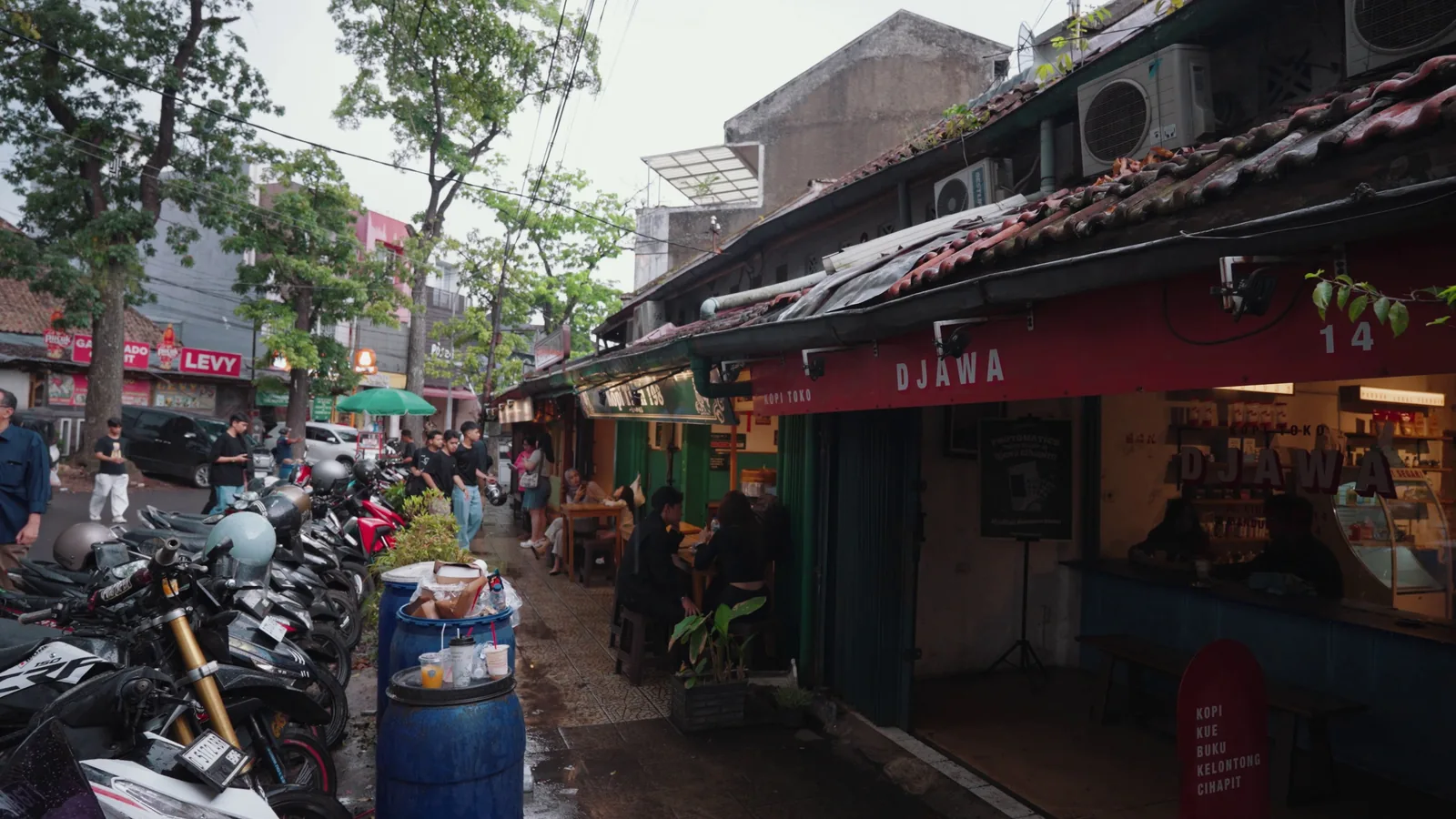
Begin by walking the area without buying anything. Notice which stalls have steady local customers, which ones cook in front of you, and which ones specialize in one or two dishes. This first pass is not about hunger; it is about gathering context. Note the names of streets, the hours when each stall seems busiest, and the kinds of people queuing, such as office workers at midday or families in the evening. A practical check is to come back at a different hour and see whether the same stalls stay busy or change hands. That matters because a crowd at noon tells you about workday routines, while a crowd at night tells you about leisure and community life. Write down three stalls you want to try and one question for each vendor. This small plan turns random snacking into a structured lesson about how the neighborhood eats, works, and socializes.
Choose stalls with visible cooking and short menus
When you are ready to eat, pick a stall where you can see the food being prepared and where the menu is short enough to read quickly. Short menus often mean the vendor focuses on doing a few dishes well, and visible cooking lets you watch techniques, ingredients, and portion sizes. A practical check is to watch for five minutes before ordering: does the vendor use fresh oil, clean tools, and steady heat? That observation matters because it tells you how the stall operates during a rush, not just how it looks when empty. Order one small portion and eat it slowly. Notice the texture, the smell, and the way the vendor interacts with regulars. If you enjoy it, ask one simple question, such as what makes this dish different from the same dish elsewhere. This approach keeps your focus on learning rather than collecting snacks, and it gives you a fair basis for comparison later.
Ask simple questions and listen for stories
After you have eaten, ask the vendor one or two respectful questions. Good starting points include how long they have cooked this dish, what time of day it is most popular, and which ingredient is most important. Keep your questions short and listen carefully to the answer, even if you need to ask for repetition. A practical check is to repeat the key word back to the vendor and see if they nod or correct you; this confirms you understood the name and the detail. That check matters because it builds trust and prevents you from writing down a mistaken note. If the vendor is busy, wait until the rush slows. You can also ask a nearby customer what they recommend. Over several days, these small conversations reveal family recipes, migration history, and seasonal habits that no guidebook explains. Record the answers in your notes with the date and stall name so you can spot patterns.
Eat at different times to see daily rhythms
Plan to visit the same food area at three different times: early morning, midday, and evening. The dishes, the crowd, and the pace change with the hour. Early morning may show breakfast staples and workers starting the day; midday may bring quick lunches and office queues; evening may bring families, students, and longer meals. A practical check is to note which stalls are open at each time and whether the menu changes. That check matters because it shows you how the city divides its day and which foods belong to which social moments. Try one dish at each time, even if it is small. Compare how the same vendor treats customers when they are rushed versus relaxed. Write down one sentence about the mood at each hour. This simple comparison turns food into a clock for local life, helping you understand work, school, and family schedules through what people eat and when.
Compare similar dishes across nearby stalls
Pick one common dish and try it at three different stalls within walking distance. Order the same size portion each time, and eat it before moving on so the flavors stay clear in your memory. Use your notes to record the look, smell, texture, and level of spice or sweetness. A practical check is to taste a small piece of the main ingredient on its own before eating the full dish; this helps you identify what changes between stalls. That check matters because it separates differences in ingredient quality from differences in cooking style or seasoning. After three tastings, write a short comparison: which stall was cheapest in style, which was richest, and which felt most traditional. You are not looking for a winner; you are looking for variation. That variation shows you how one dish carries different family histories, regional influences, and customer expectations across a single neighborhood.
Write a short culture note after each day
At the end of each day, spend ten minutes writing a brief culture note. Include the stalls you visited, the dishes you tried, the people you spoke with, and one thing you learned about local life. A practical check is to read your note from the previous day before you start the next walk; this reminds you what to look for and keeps your observations connected. That check matters because isolated meals are easy to forget, but a series of linked notes reveals patterns such as which foods mark celebrations, which are everyday staples, and which are eaten only by certain groups. Keep your notes factual and respectful, and avoid copying claims you cannot verify. If you are unsure about a detail, write it as a question for tomorrow. Over a week, your notes become a personal map of the city's food culture, grounded in your own experience rather than secondhand summaries.
Quick Reference
| Situation | Action | Why it helps |
|---|---|---|
| You arrive at a busy food street with no plan and feel overwhelmed. | Walk the full length once without buying, note three stalls with visible cooking and local customers, then return to the first one and order a small portion. | This gives you a mental map and a fair basis for comparison, so your first meal is a deliberate choice rather than a random stop. |
| You cannot read the menu or understand the vendor's answer. | Point to a dish someone else is eating, ask the vendor to say its name slowly, repeat the name back, and write it down with a simple description. | This confirms the dish name and builds a respectful exchange, while your written note prevents confusion later in the day. |
| You want to understand daily rhythms but only have one day. | Visit the same street at early morning, midday, and evening, try one small dish each time, and write one sentence about the crowd and mood. | The same food area changes with the hour, so three short visits reveal work, school, and family patterns that a single meal would hide. |
Common Issues
- You feel unwell after trying several unfamiliar dishes in one day.: Stop eating for a few hours, drink safe water, and rest. On future days, try only one new dish per meal and choose stalls with visible cooking and high turnover.
- You cannot find a stall that matches a recommendation from a friend or article.: Ask a local customer or nearby vendor for the current location, and check whether the stall moved or changed hours. Treat recommendations as leads, not fixed addresses.
- You worry about offending a vendor when you do not finish the food.: Order small portions, thank the vendor sincerely, and explain that you are tasting many dishes. If you can, take the remainder with you only if the vendor offers a container.
Advanced Tips
- Return to the same stall on different days and ask whether the recipe changes with the season or the day of the week.
- Learn the names of three staple ingredients in the local language so you can ask about them directly and compare dishes more precisely.
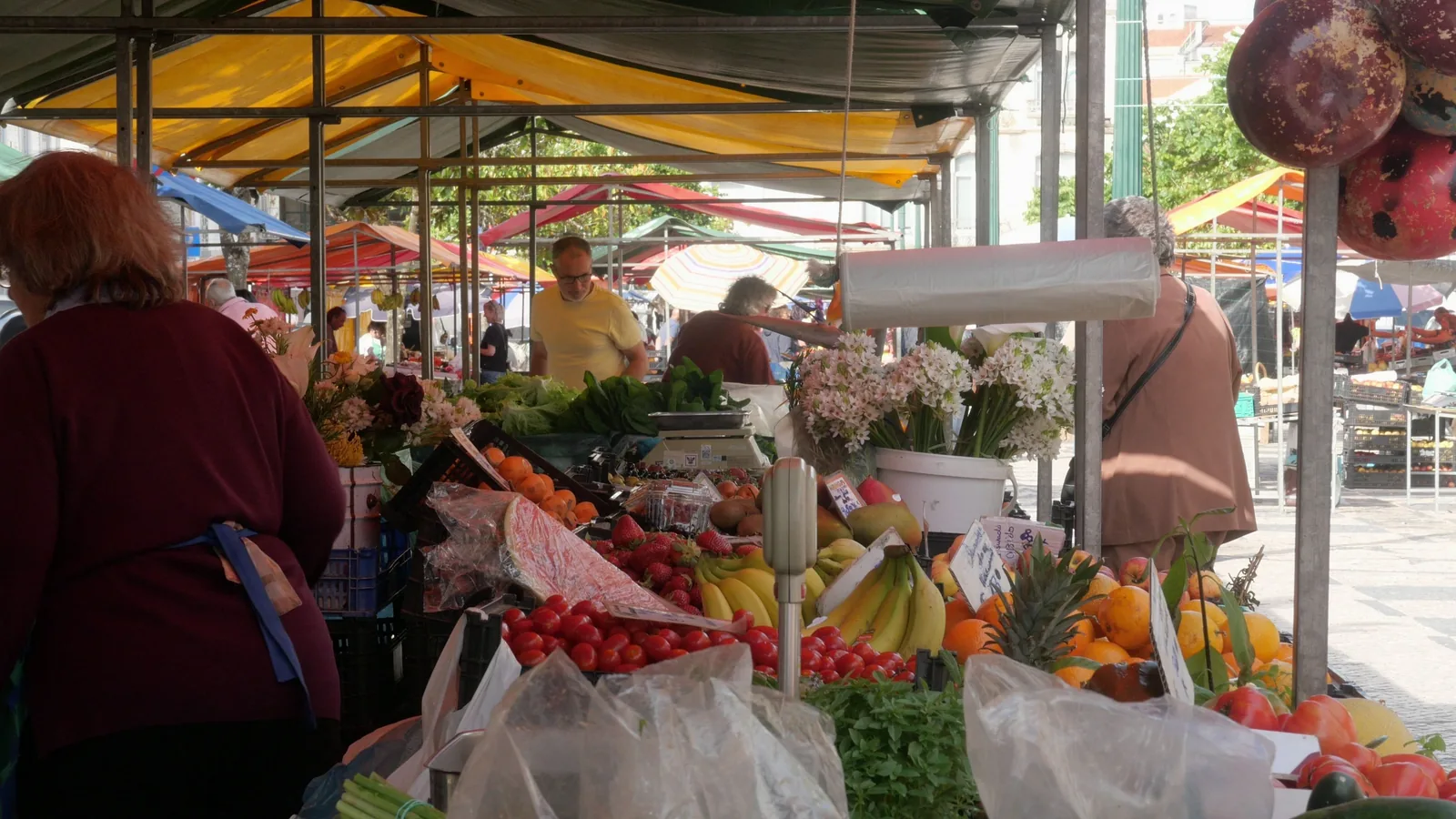
- Visit a market that supplies street vendors early in the morning to see where the ingredients come from before they are cooked.
Final Checklist
- I have a small notebook or note app ready for stall names, dishes, times, and one human detail per meal.
- I have planned at least two different times of day to visit the same food area for comparison.
- I know how to ask about ingredients politely and how to check my own allergy or health coverage before relying on it.
- I have set a simple daily tasting limit so I can enjoy the food, stay well, and remember what I learned.
FAQ
How do I start a conversation with a street food vendor?
Wait until the rush slows, then ask one simple question about the dish, such as how long they have cooked it or which ingredient matters most. Listen carefully, repeat a key word back, and thank them. A sincere compliment about the food often opens a longer, warmer exchange.
What should I write in my food culture notes?
Record the stall name, the dish, the time of day, the price style in words such as budget or premium, and one human detail like who was eating there. Also note one question for tomorrow. These details turn separate meals into a pattern you can review and learn from.
How can I avoid getting sick while exploring street food?
Choose stalls with visible cooking and steady local customers, eat during busy hours when food turns over quickly, and try one new dish per meal. Drink safe water, wash your hands when possible, and check your own health plan or travel coverage before you rely on it for care.