How To Navigate A Farmers Market Like A Local
A practical step-by-step guide to How to navigate a farmers market like a local, including preparation, instructions, common issues, tips, and next steps.
How To Navigate A Farmers Market Like A Local
Navigating a farmers market like a local means arriving with a plan, asking good questions, and letting the season guide your choices. Locals know that the best stalls reward curiosity and patience, not speed. You will learn how to time your visit, read a stall, handle produce, pay smoothly, and carry everything home without stress. This guide gives you a calm, repeatable routine you can adapt to any market in any town.
Fast Answer
- Arrive early for the best selection and the calmest aisles, then walk the whole market once before you buy anything so you can compare quality and compare notes with vendors.
- Bring your own sturdy bags, a little cash in small notes, and a simple list, then ask each vendor what is freshest today instead of guessing from the display alone.
Before You Start
- Check the market schedule and location the day before, since many markets run on specific weekdays and some move to a different lot or hall in bad weather.
- Bring reusable bags, a small cooler or insulated tote for delicate items, and a few small notes if you prefer cash, because some stalls handle cards differently.
- Eat a light snack and drink water before you go, so you shop with a clear head and are not tempted to buy more than you can carry or use.
- Make a short list of what you actually need for the next few meals, leaving room for one or two seasonal items you did not plan for.
Step-by-Step Instructions
Time your visit for the best selection
Plan to arrive within the first hour the market opens. That is when stalls are fully stocked, aisles are still easy to move through, and vendors have time to talk. Before you leave home, confirm the opening time on the market's own schedule, because seasonal hours shift and holidays can change them. When you arrive, do a slow lap without buying. Look at what is plentiful, what looks tired, and which stalls have lines of regular customers. This lap is your practical check: it tells you where quality is strong today rather than on a generic list. Walking first matters because the best items often sell out early, and a calm first pass helps you avoid buying the first thing you see and regretting it later. If you cannot arrive early, aim for the final hour for quieter browsing, but accept that selection will be thinner and some vendors may already be packing up.
Read a stall before you reach the front
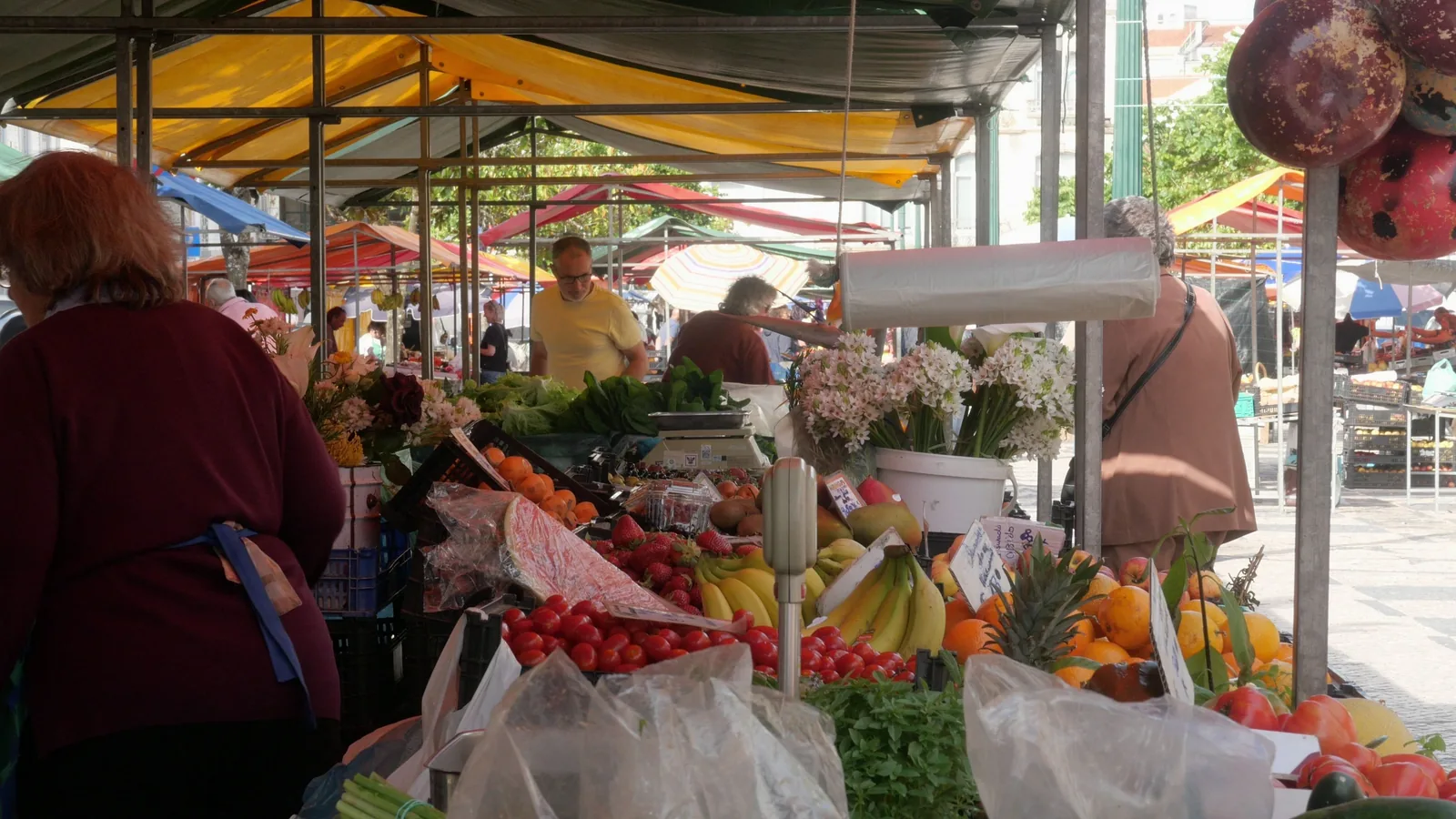
As you approach, look at how the stall is organized. Neat piles, clean crates, and clear signs usually signal a vendor who cares about handling and presentation. Check whether produce is displayed out of direct sun and whether greens look crisp rather than limp. When it is your turn, greet the vendor and ask one specific question, such as what was picked this morning or which variety they recommend for roasting. Listen to the answer: a specific, confident reply is your practical check that the seller knows the product. This matters because good questions surface information you cannot see, like harvest timing and storage advice, and they also build a friendly relationship that can lead to better recommendations over time. If the stall is crowded, step to the side after paying so others can reach the table, and keep your bags close to your body.
Inspect and handle produce politely
Pick up only what you intend to buy, and use the vendor's baskets or bags rather than handling many items at once. For fruit, check for firmness, even color, and a pleasant smell at the stem. For greens, look for crisp leaves and avoid wet, slimy patches. For roots, feel for firmness and skip anything soft or sprouting. This hands-on check matters because appearance can hide bruising, and a gentle squeeze tells you more than a distant glance. If you are unsure, ask the vendor to choose for you and explain what they look for. Respect any signs that ask customers not to touch certain items, and never squeeze tomatoes or peaches hard enough to bruise them for the next buyer. When you find a variety you like, buy a small amount first, taste it at home, and return next week for more if it suits your cooking.
Ask about origin, season, and growing method
Before you commit to a larger purchase, ask where the item was grown and whether it is in season now. A local vendor should be able to name the farm or growing area and describe how the crop is doing this year. This question is your practical check that the food is genuinely fresh and matches the market's local focus. Seasonal food usually tastes better and needs less travel, which is why locals plan meals around what is available rather than a fixed menu. If a vendor sells both local and imported items, ask which is which so you can choose with clear information. Keep your questions friendly and brief, especially when a line is forming behind you. Write down any answers that matter, such as picking dates or storage tips, and use them to decide how much to buy and how soon to eat it.
Pay smoothly and keep the line moving
Have your payment ready before you reach the front of the line. If you use cash, carry small notes so vendors do not have to make large change during a rush. If you prefer a card or a mobile payment, check the market's information board or ask the vendor first, because accepted methods vary by stall and by day. Confirm the total out loud before you pay, and count your change while you are still at the table. This quick check protects both you and the vendor from mistakes and keeps the queue moving. Place your items in your own bag right away rather than leaving them on the table. If you need a receipt for a large purchase, ask for one before you step away. Treat the moment as a small, polite exchange: a clear total, a simple thank you, and a step to the side so the next customer can order.
Pack, carry, and store your haul
After your final purchase, sort your items before you leave the market area. Put heavy items like squash and potatoes at the bottom of your bag, and place soft fruit and greens on top so they are not crushed. If you brought a cooler or insulated tote, move dairy, eggs, and cut flowers into it right away. This sorting step is your practical check that nothing delicate will be damaged on the walk or ride home. Once home, unpack promptly and store each item according to what you learned from the vendors, such as drying greens before refrigerating them or leaving tomatoes at room temperature. Wash produce just before you use it, not before you store it, since extra moisture can speed spoilage. Plan your meals for the week so the most perishable items are eaten first, and freeze or share anything you cannot finish in time.
Quick Reference
| Situation | Action | Why it helps |
|---|---|---|
| You arrive and feel overwhelmed by the number of stalls and the crowd. | Walk one full loop around the market without buying, note two or three stalls that look strongest, then return to those stalls and make your purchases in a calm second pass. | A full first pass lets you compare quality and selection across the whole market before you commit, which reduces rushed decisions and helps you spend your budget on the items that are actually best that day. |
| A vendor cannot clearly say where the food was grown or when it was picked. | Thank them politely, step away, and spend your money at a stall where the seller can describe the farm, the growing area, or the harvest date without hesitation. | Origin and freshness are the main reasons to shop at a farmers market, and a vague answer suggests the item may not be as local or as fresh as the market's local focus implies, so your money is better placed elsewhere. |
| You bought more perishable food than you can eat in the next few days. | Sort the items as soon as you get home, refrigerate the delicate ones, and freeze, cook, or share whatever you cannot finish within its best window. | Perishable food loses quality quickly, and a short sorting session right after shopping prevents waste, protects the value of what you bought, and keeps your kitchen organized for the rest of the week. |
Common Issues
- You buy too much on impulse and end up wasting food.: Bring a short list and a firm spending limit, then walk the market once before buying. Choose only what fits your meal plan for the next few days, and if you are tempted by an extra item, buy a small amount first and return next week if you liked it.
- You cannot tell which stall has the freshest produce.: Compare the same item across two or three stalls by looking for crisp leaves, firm flesh, even color, and a fresh smell. Ask each vendor when the item was picked, and buy from the stall whose answer is the most specific and whose display looks the most carefully handled.
- You feel rushed or pressured when a line forms behind you.: Decide what you want before you reach the front, have your payment ready, and ask your key question quickly. Step to the side right after paying, and if you need more time, tell the vendor you will come back after the rush and return once the line clears.
Advanced Tips
- Learn the rhythm of each market by visiting at different times, since early mornings favor selection while the final hour favors conversation and occasional markdowns on remaining items.
- Start a simple seasonal calendar in your notes, recording what you bought and when, so you can anticipate your favorite items and plan meals around their natural windows.
- Introduce yourself to two or three vendors you like and become a repeat customer, because familiar faces often share the best tips, hold items for you, and point you to what is peaking that week.
Final Checklist
- You know the market's day, opening time, and location, and you checked for any weather-related changes before leaving home.
- You packed reusable bags, a cooler or insulated tote for delicate items, and a small amount of cash in easy-to-use notes.
- You walked the full market once, asked at least one vendor a specific question, and confirmed origin or harvest timing before buying.
- You sorted heavy and fragile items when packing, unpacked promptly at home, and planned how to use the most perishable food first.
FAQ
How early should I arrive at a farmers market?
Plan to arrive within the first hour the market opens. That is when stalls are fully stocked, aisles are calm, and vendors have time to answer questions. If you cannot come early, the final hour can still work, but expect thinner selection and some sellers packing up.
Should I bring cash or a card to a farmers market?
It depends on the market and the stall, so check the market's information board and ask each vendor before you buy. Many shoppers carry a small amount of cash in easy-to-use notes as a backup, while cards and mobile payments are accepted in many places but not all.
How do I know if produce is actually local and fresh?
Ask the vendor where the item was grown and when it was picked. A clear, specific answer about the farm or growing area is a good sign. If the seller cannot describe the origin or harvest timing, thank them and buy elsewhere. Market labeling rules vary, so check the market's posted vendor policy when in doubt.